Images of war no longer remain at the site of conflict. They enter our homes, our screens, and our everyday lives continuously. Through television, digital media, social networks, and mobile technologies, scenes of destruction and human suffering circulate with unprecedented speed. What once appeared as an exceptional image has become part of an uninterrupted visual flow.
Images of violence are often produced and circulated with the intention of shocking the viewer, provoking an emotional response, or demanding action. Yet as these images multiply, they are consumed almost as rapidly as they are produced. Their repetition creates a paradox: the more visible violence becomes, the greater the risk that it becomes invisible.
An image capable of deeply disturbing us when observed closely can disappear within the endless stream of images that defines contemporary visual culture. We see, scroll, pass, and move on. Violence remains before our eyes, yet our capacity to respond to it is gradually weakened by its constant repetition.
This work examines the relationship between visual saturation and desensitisation. It asks what happens to our perception of human suffering when thousands of images continuously reproduce and replace one another. At what point does witnessing become passive looking? When does visibility cease to produce awareness?
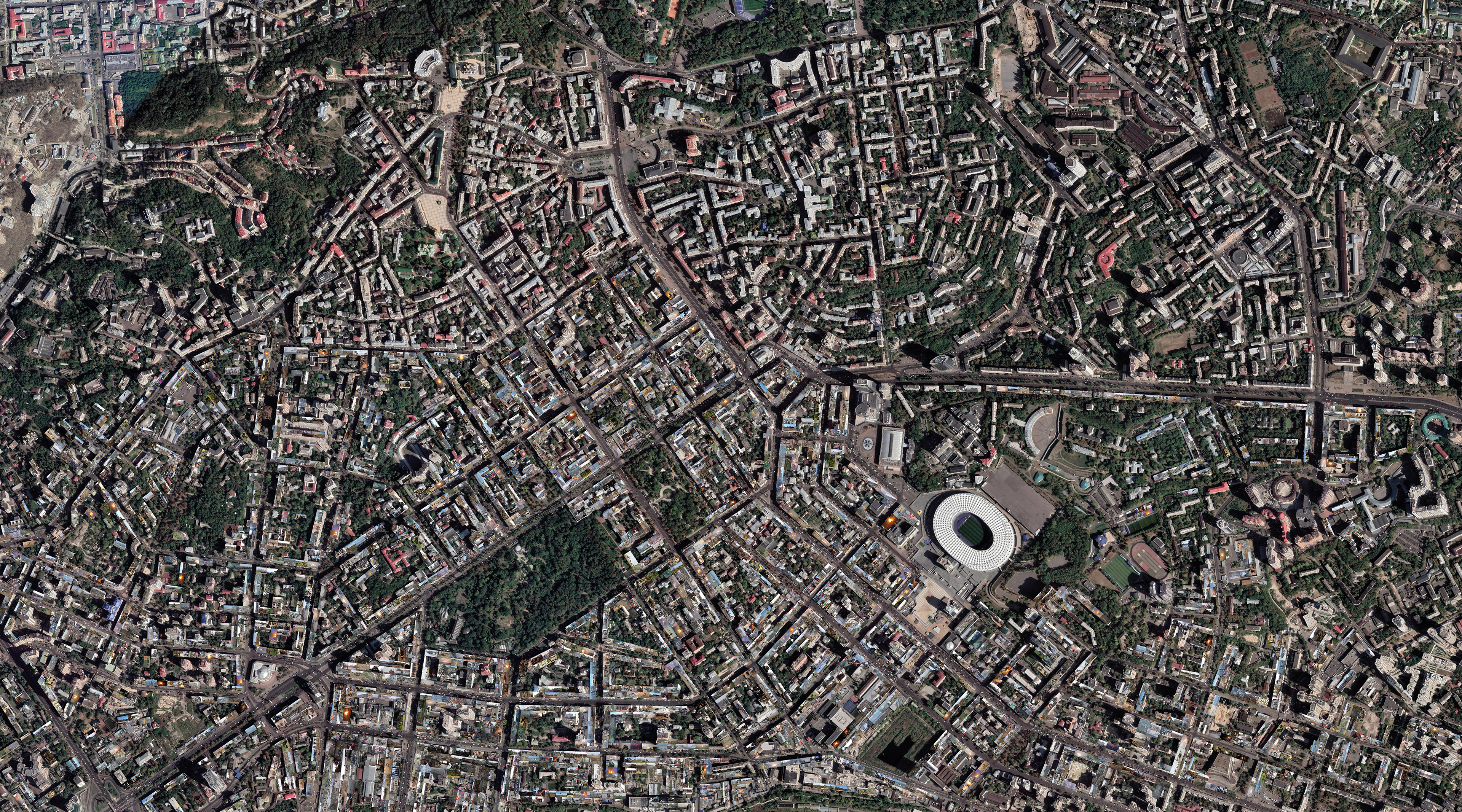
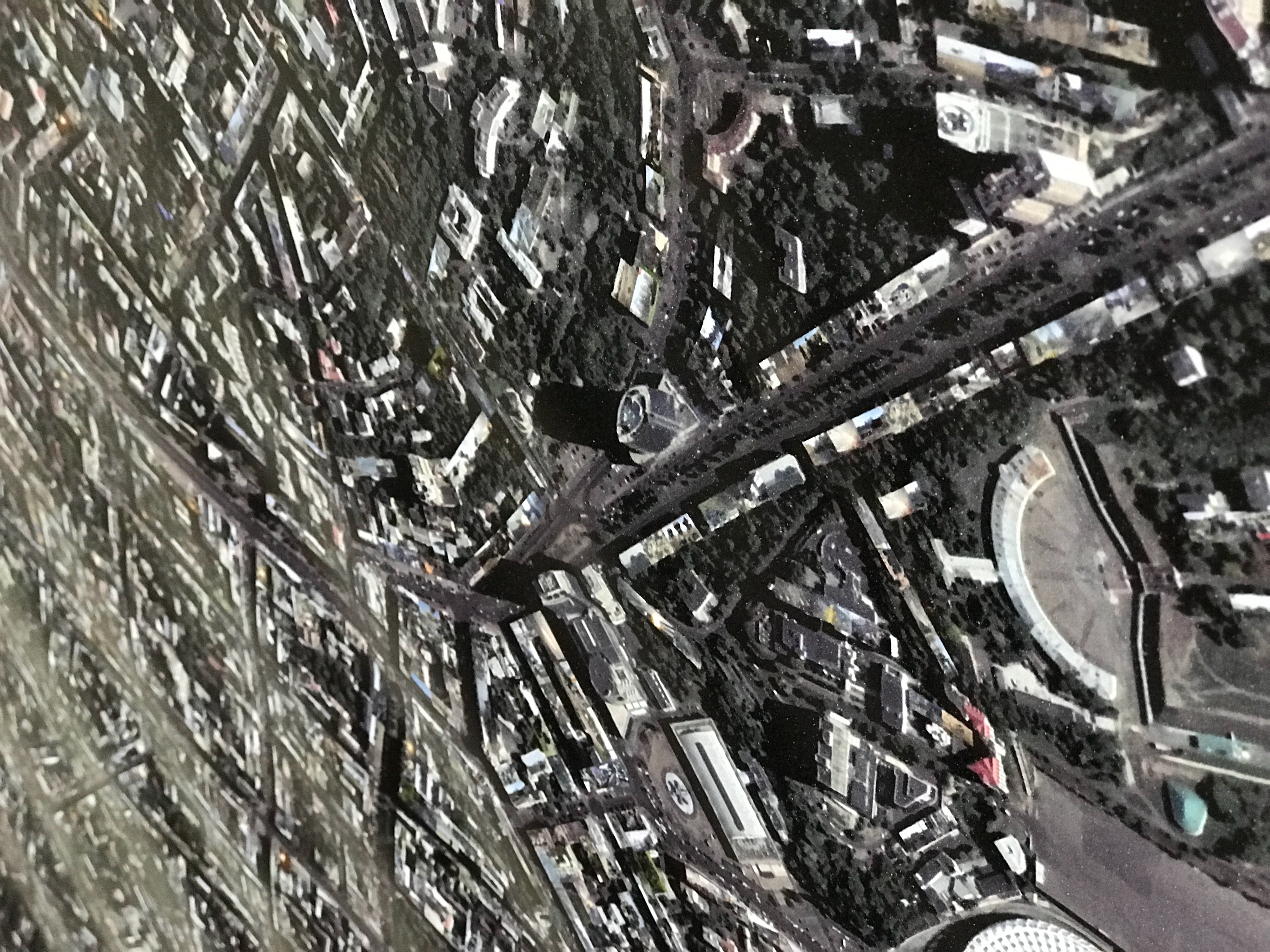
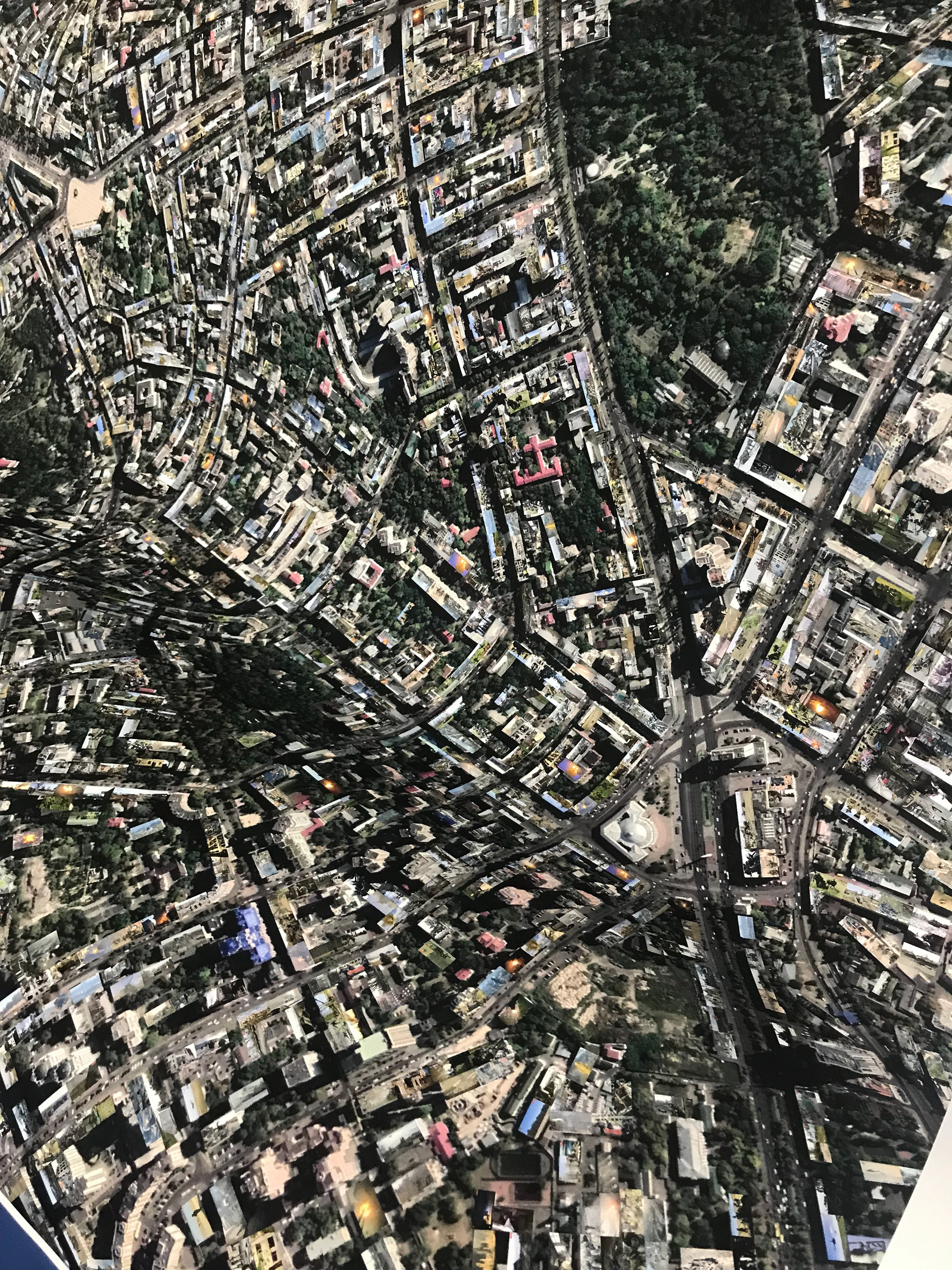
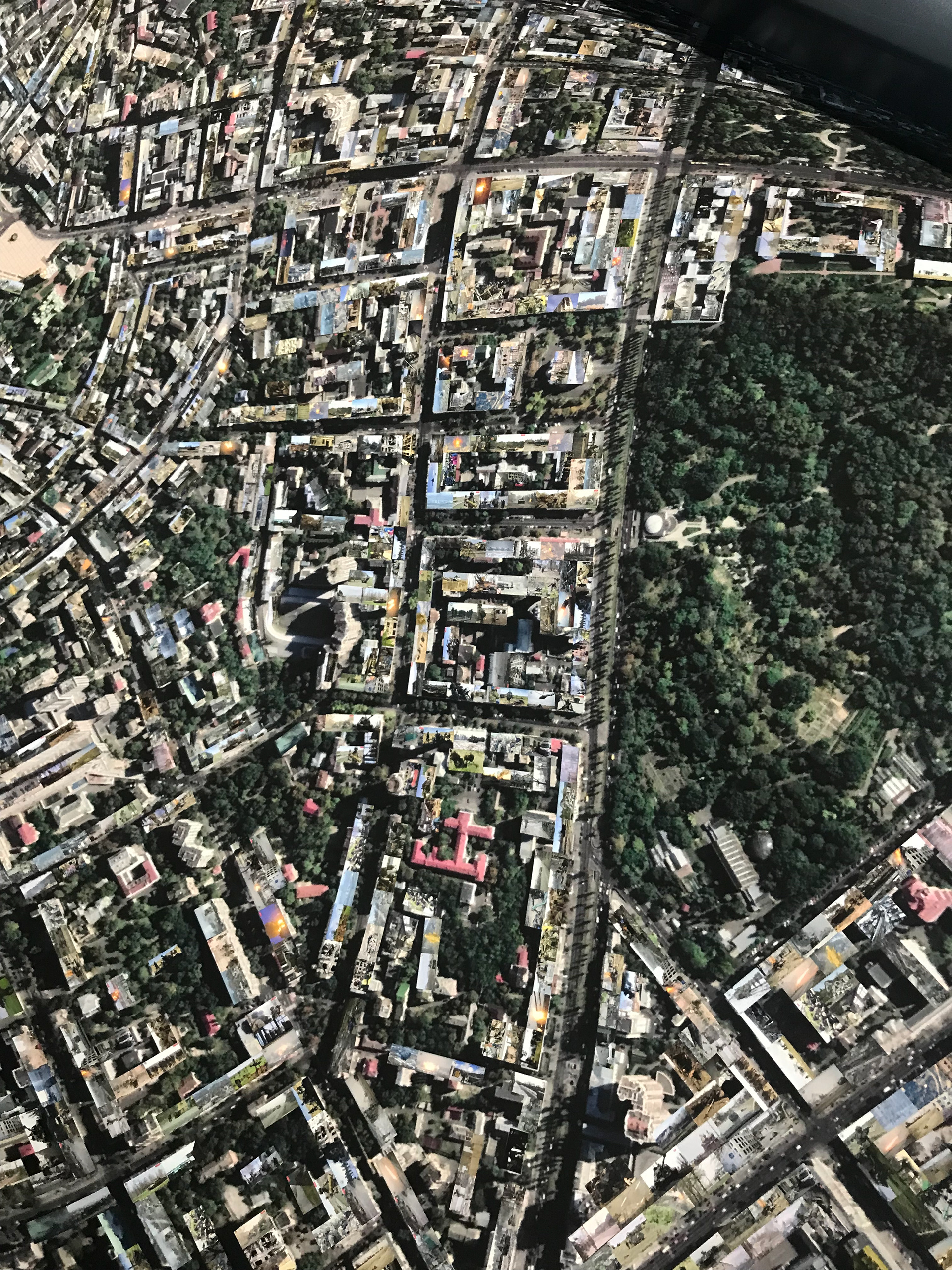
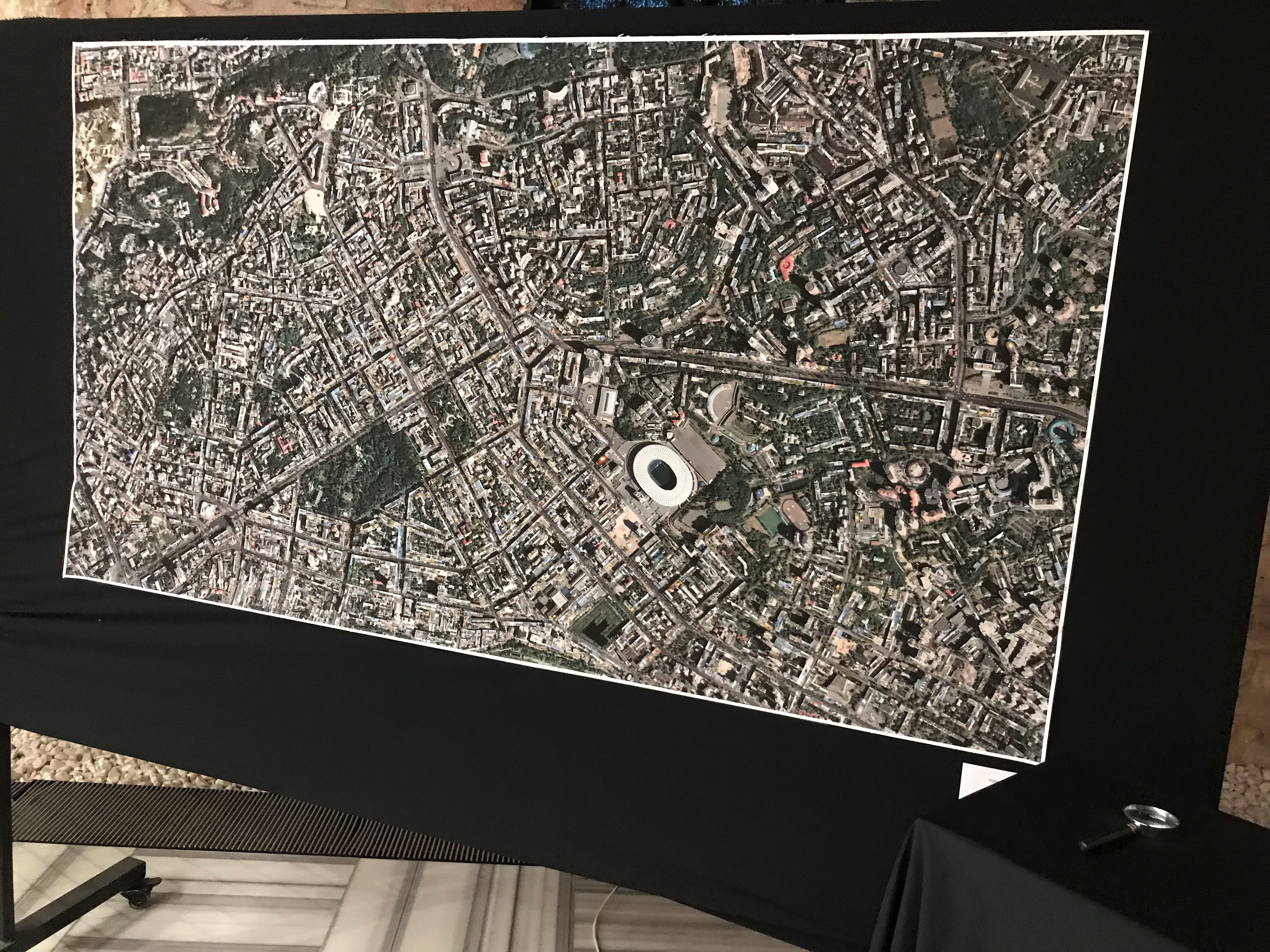
For this project, moving images of the war in Ukraine, broadcast through television and digital media, were frozen and transformed into individual photographic frames. These fragments of conflict were then brought together through a section of a map of Ukraine derived from Google Earth.
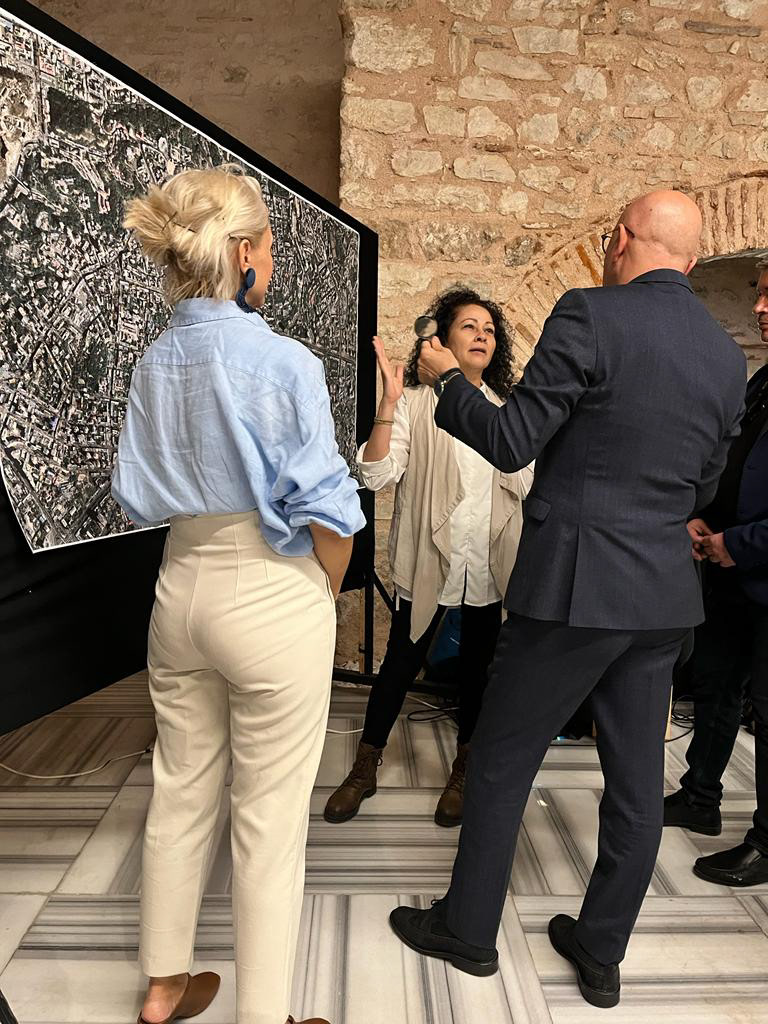
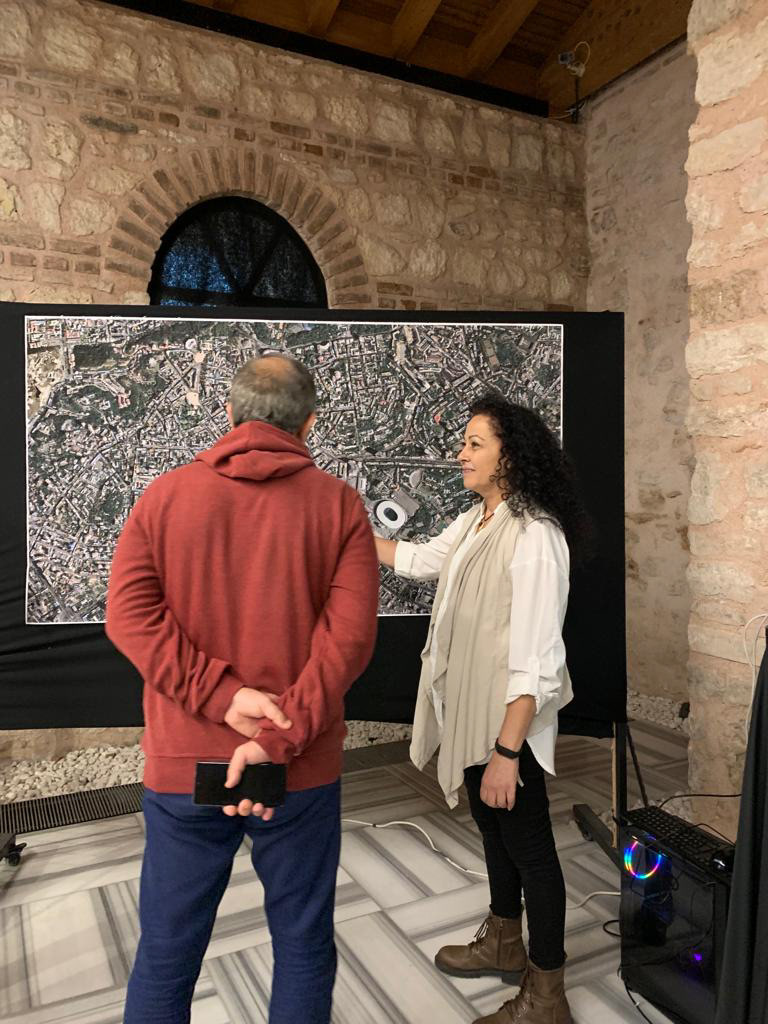
From a distance, the work appears to be an ordinary geographical map. The individual images remain indistinguishable, absorbed into the larger cartographic structure. Only when the viewer moves closer, pauses, and concentrates does the surface begin to change. The map dissolves into hundreds of fragments of war, destruction, bodies, landscapes, and human suffering.
The act of approaching the work therefore becomes essential. Distance conceals; proximity reveals. What appears abstract from afar becomes painfully specific when examined closely.
The map is constructed from 4,012 individual photographic images, including 568 photographs depicting war and violence. Their accumulation transforms the geographical representation of territory into a visual field of conflict.
The work reflects on the conditions under which contemporary violence is seen, consumed, and forgotten. It attempts to interrupt the habitual speed of looking by requiring the viewer to stop, approach, and focus.
In an age defined by an excess of images, perhaps the question is no longer whether we see violence.
The question is whether we still truly look.