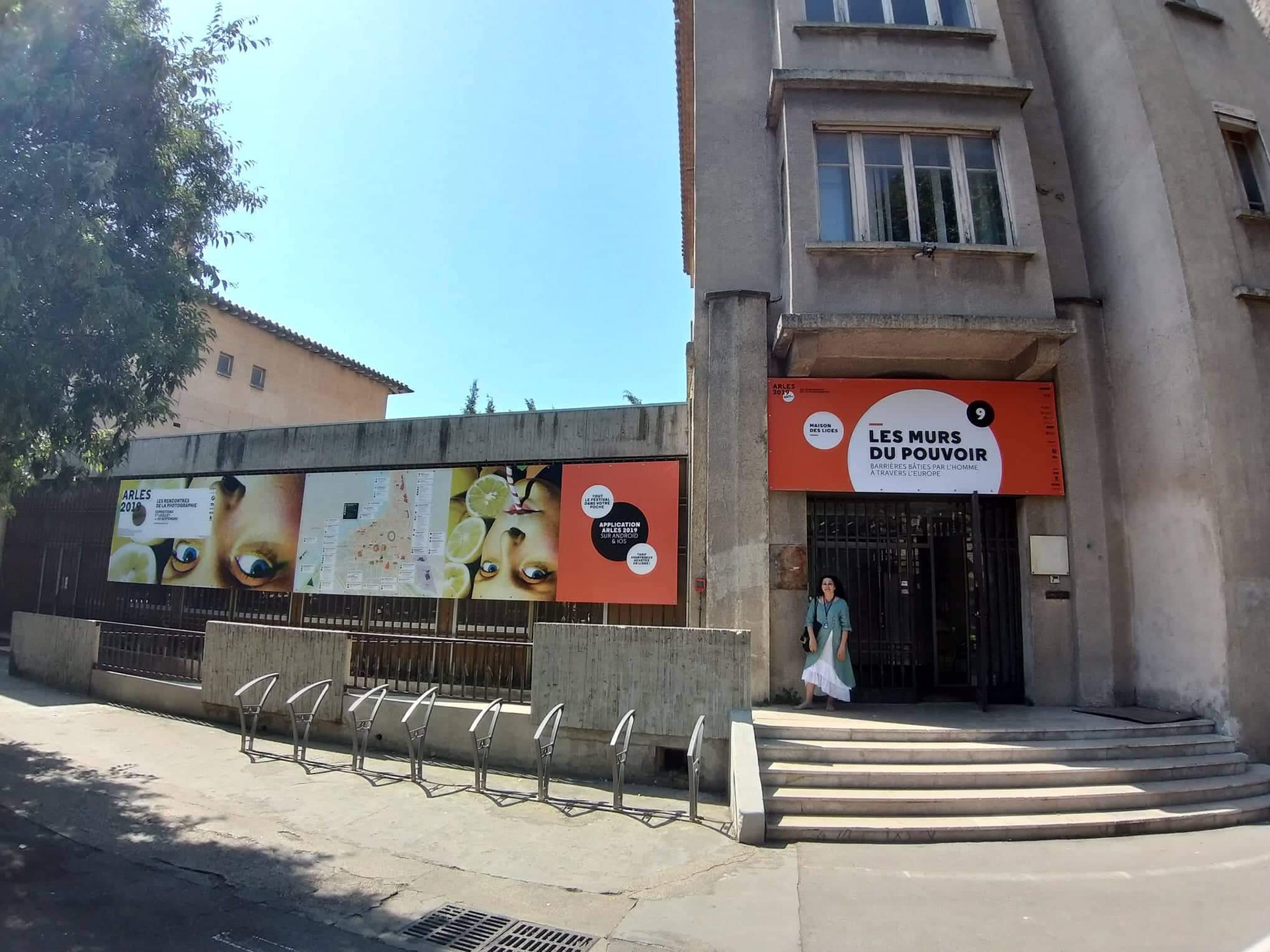
Walls of Power
Man-made barriers throughout Europe
“The first man who, having fenced in a piece of land, said »This is mine,« and found people
naïve enough to believe him, that man was the true founder of civil society.”
naïve enough to believe him, that man was the true founder of civil society.”
― Jean-Jacques Rousseau: Discourse on the Origin and Basis of Inequality Among Men
(Discours sur l'origine et les fondements de l'inégalité parmi les hommes, 1754)
We tend to see European culture as open and inclusive. Nevertheless, in recent years, we have seen barriers rising all over the continent.
We know that to build walls to protect a land is nothing new. We do not need to look back as far as Hadrian’s Wall; throughout our history there have been barriers splitting up the European landscape: the Silesian Walls, the Great Wall of Malta, the Atlantic Wall ...
I, as curator, have a strong personal interest in the topic because it is crucial to Central Eastern Europe, including my home country, Hungary. Here, in 1989, the Iron Curtain—one of the most prominent examples of these walls in human history—was dismantled. As one of the major migration gateways to Europe, here new walls grow once again, just three decades after their predecessor’s fall.
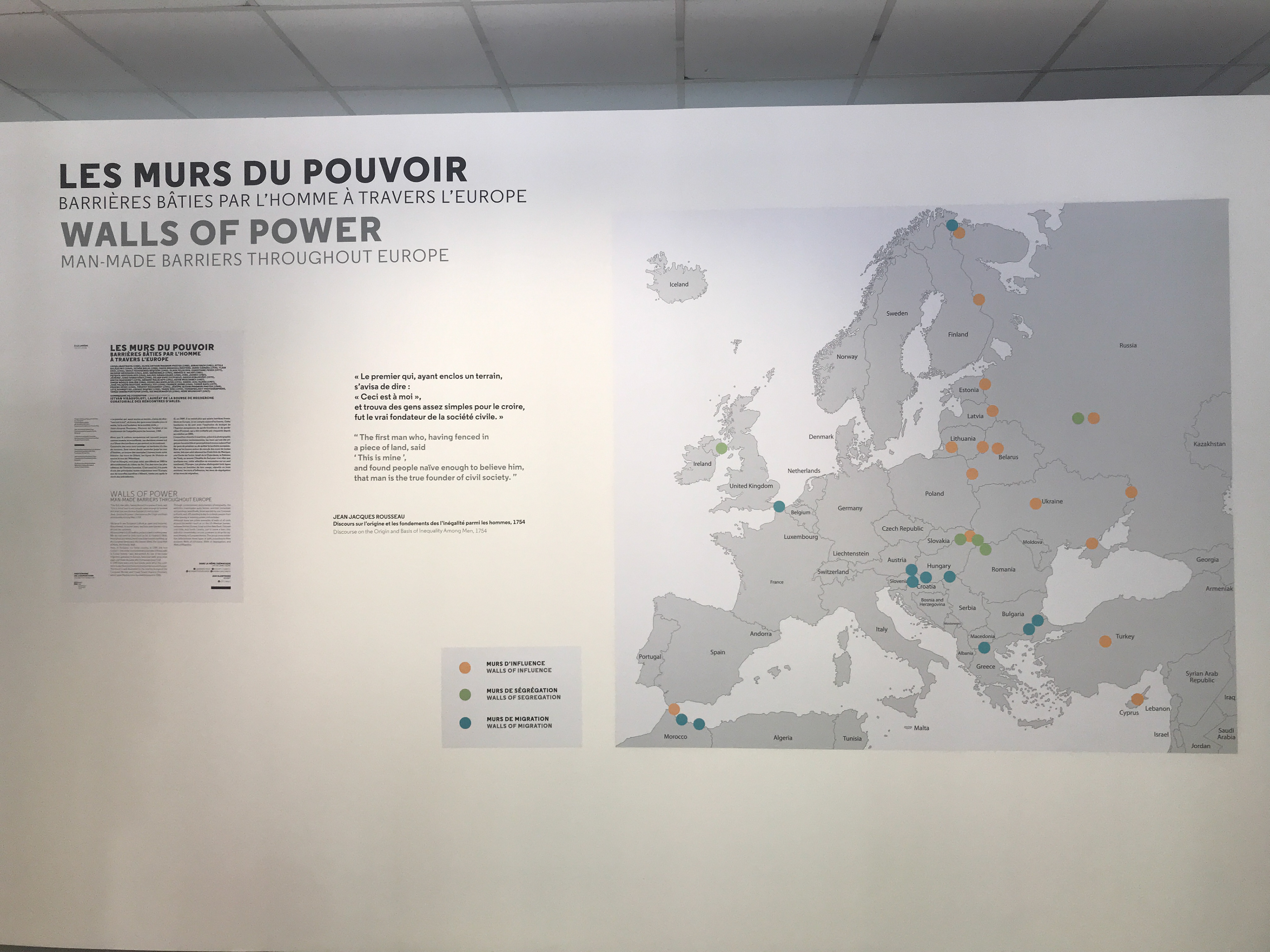
In 1989 there were only three border walls left in the continent (Gibraltar, Cyprus, and Belfast); today there are 28 physical barriers around Europe. This growth can also be illustrated by the soaring budget of the European Border and Coast Guard Agency (Frontex), which grew fiftyfold, from €6.2 million in 2005 (when it was established) to €320 million in 2018.
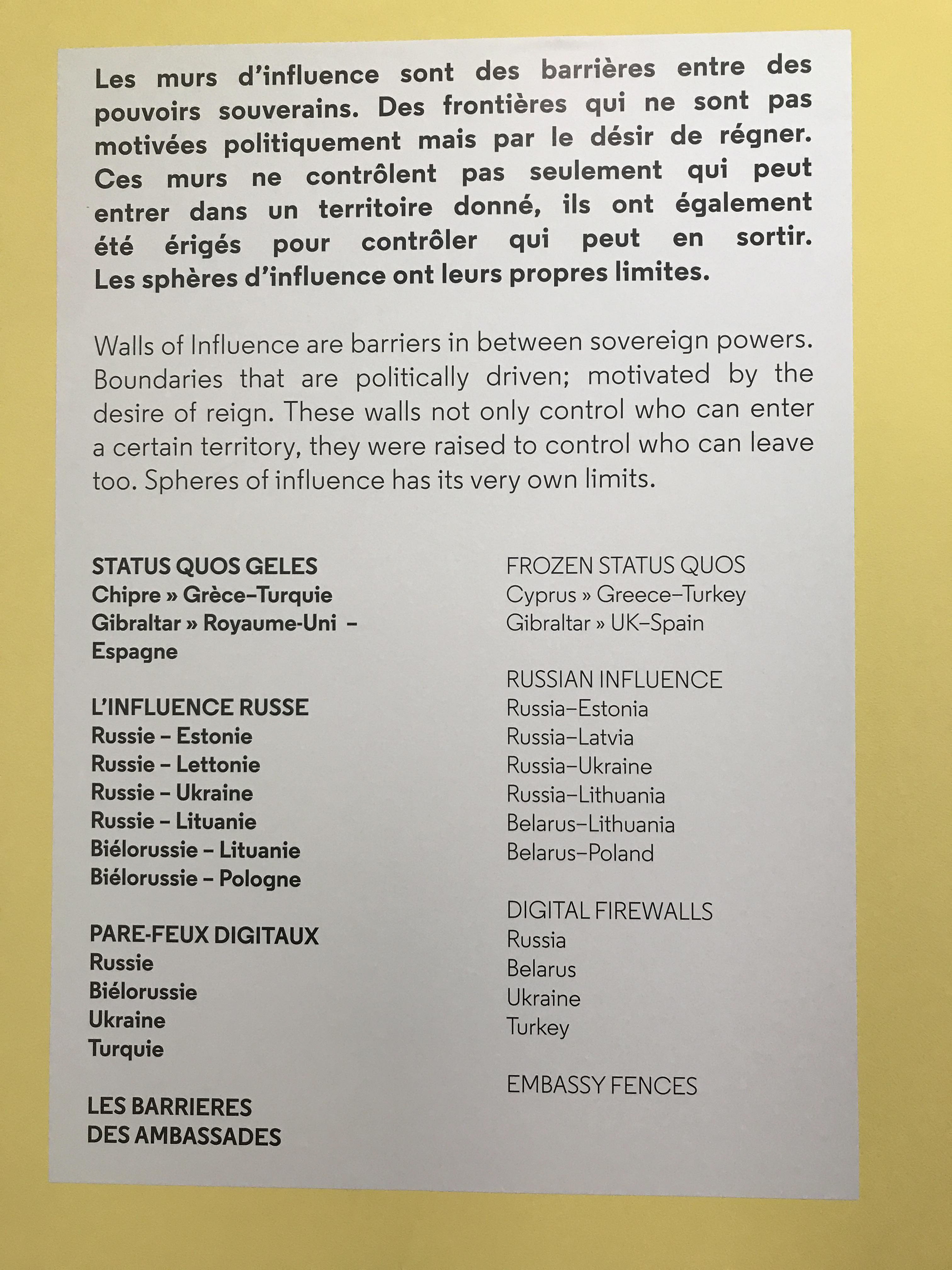
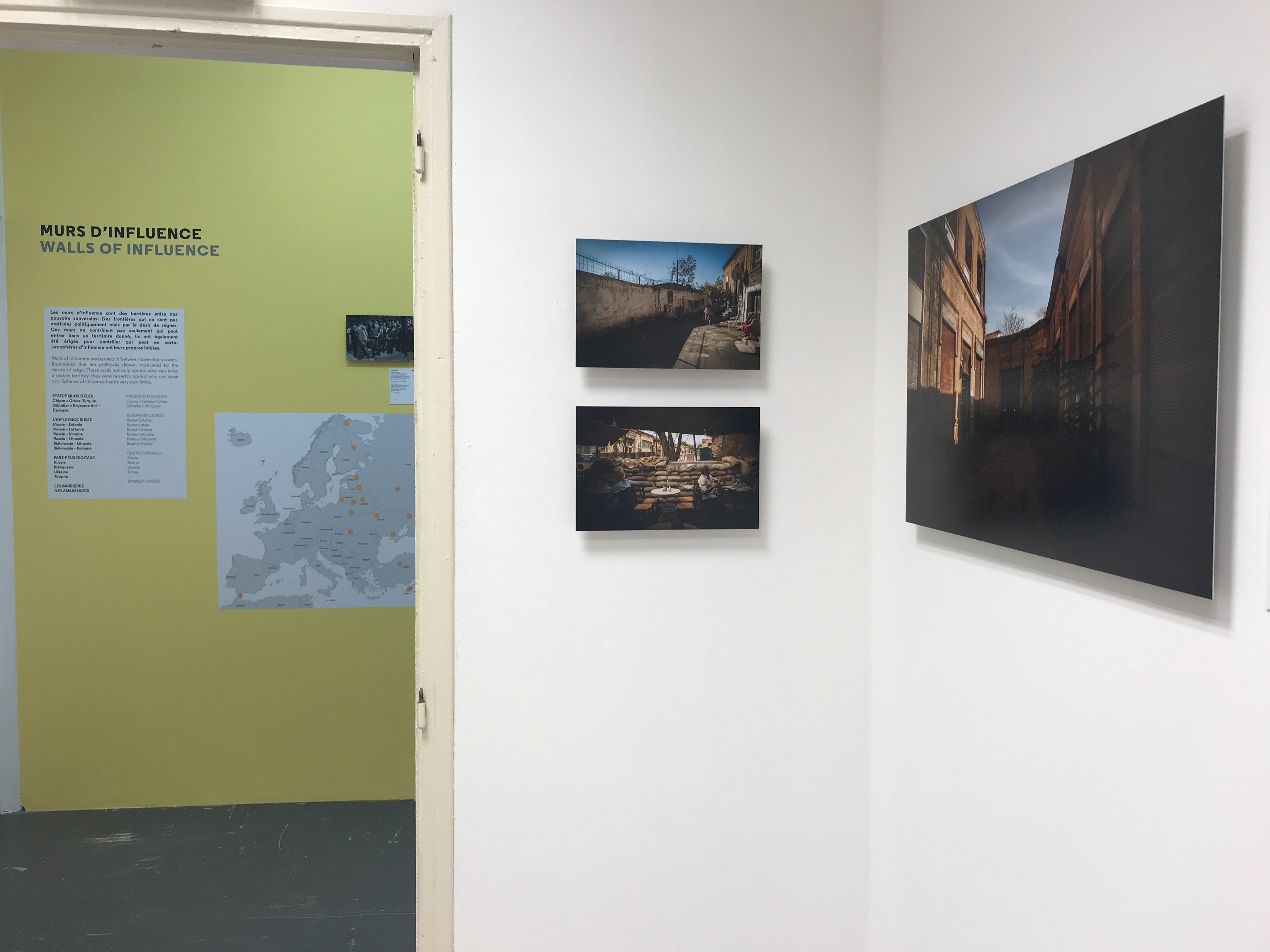
Through contemporary documentary photography, the exhibition investigates walls, fences, and their immediate surroundings; specifically, those erected by any European authority and still standing today to prohibit people from either leaving or entering certain civil societies.
Although there are prime examples of walls of all sorts around the world—such as on the US–Mexican border, between the two Koreas, Israel and the West Bank, Pakistan and India, and South Ossetia, just to name a few—this selection concentrates on one continent to show the layered diversity of European fences. The group photo exhibition differentiates three types of walls according to their purpose: Walls of Influence, Walls of Segregation, and Walls of Migration.
István Virágvölgyi
Curator
Partner institution: Robert Capa Contemporary Photography Center