Artist Statement
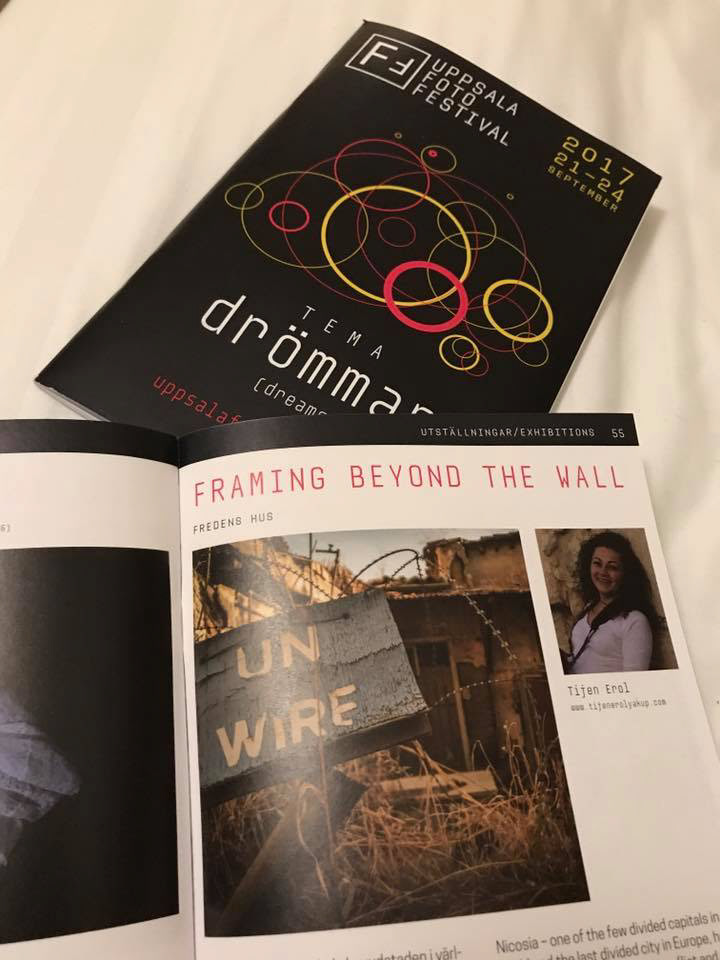
The UN Buffer Zone in Cyprus, commonly known as the Green Line, emerged in the 1960s and became an impassable boundary following the events of 1974 and the physical and communal division of the island. Cutting through Nicosia from east to west, the Buffer Zone narrows to only a few metres at certain points within the old city. On either side of this line, Nicosia becomes both Lefkoşa and Lefkosia: two names, two urban realities, separated by a boundary running through the same city.
From 1974 until the opening of the first checkpoints in 2003, people on either side were largely unable to cross to what had become known as “the other side.” The division transformed not only the physical landscape of the city but also the lives of its inhabitants. Many Greek Cypriots and Turkish Cypriots were displaced from their homes, neighbourhoods, and familiar surroundings, leaving behind places deeply connected to personal and collective memory. For almost three decades, returning to these homes, streets, and neighbours remained impossible for many, while the desire to return—and the hope of once again living together—persisted.
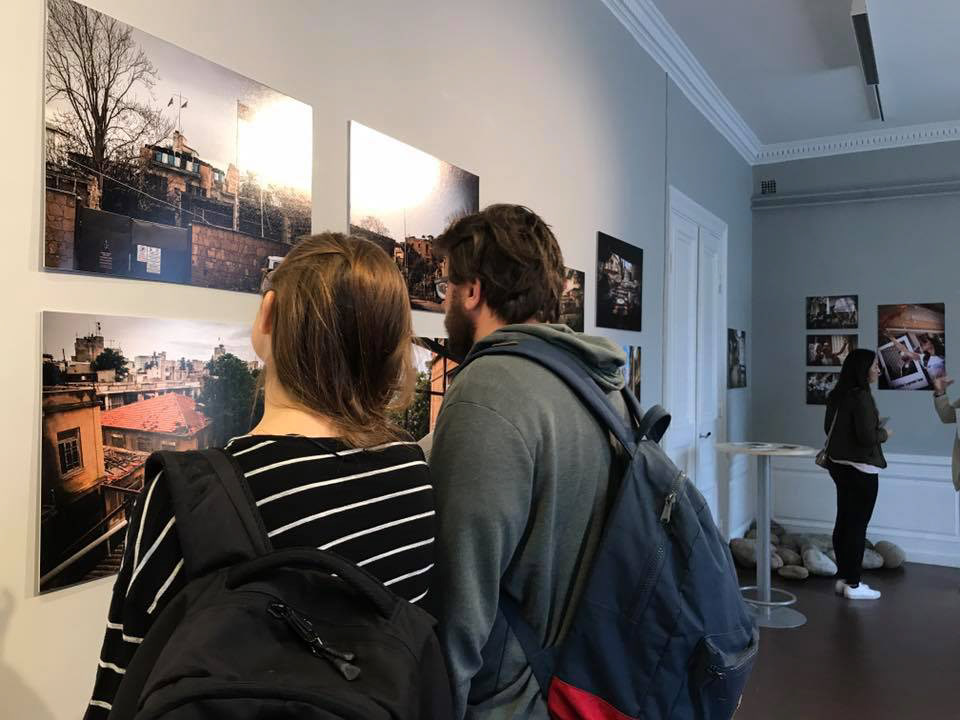
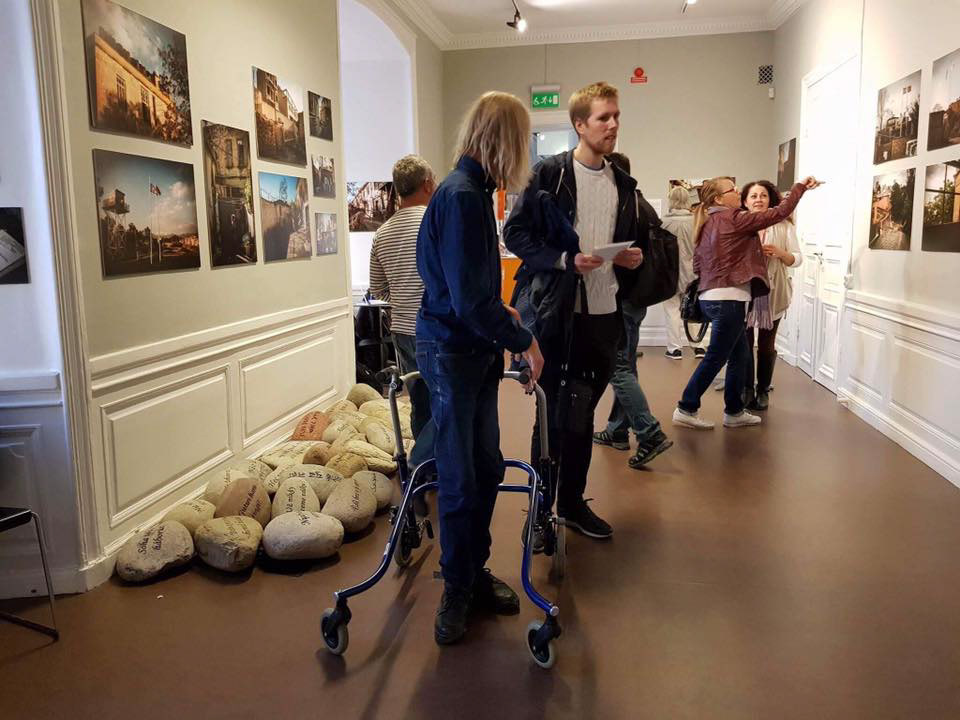
Framing Beyond the Wall focuses on the section of the Buffer Zone that passes through Nicosia’s historic Walled City, enclosed by the circular Venetian fortifications. There is a certain contradiction within this geography: while the Buffer Zone divides the city, the Venetian Walls continue to encircle it as a single urban body. The walls simultaneously contain a divided space and suggest an enduring sense of connection.
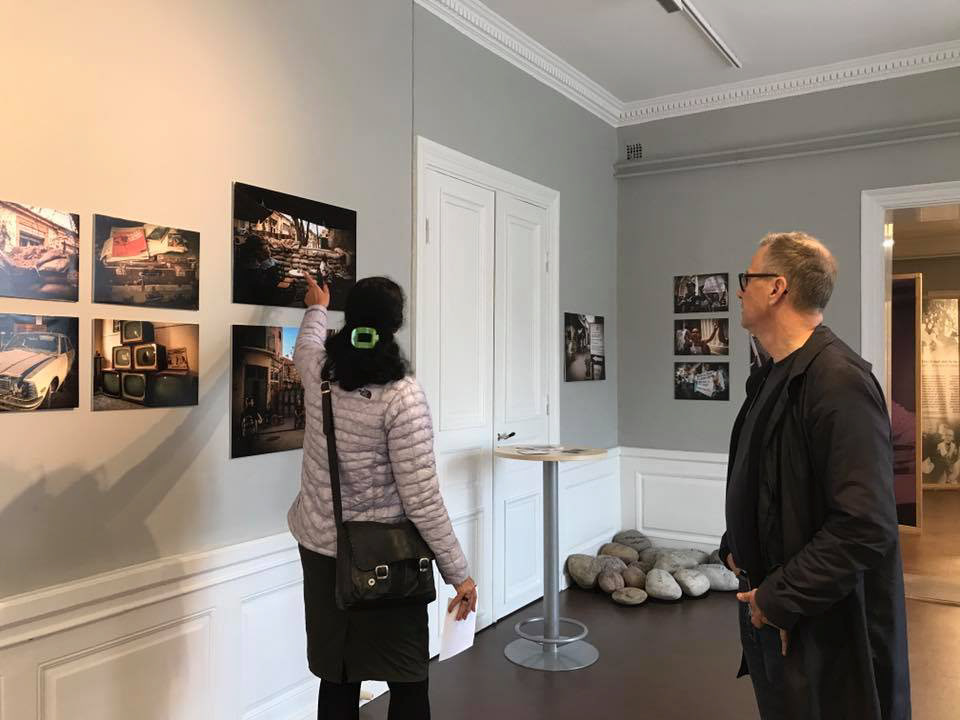
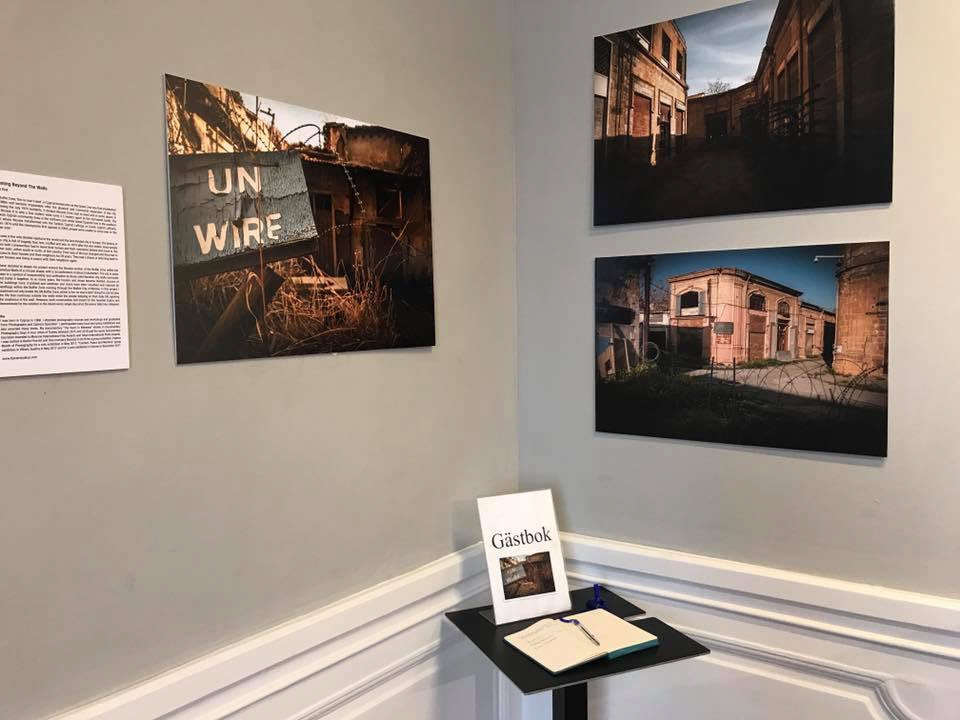
Within the Buffer Zone, decades of abandonment have left visible traces. Houses and shops have deteriorated, plaster has fallen from façades, windows and doors have been broken or sealed with sandbags, and once-inhabited spaces have become suspended between past and present. These buildings carry the physical marks of conflict, displacement, absence, and interrupted everyday life.
My work, however, does not focus solely on what lies inside this restricted territory. It also turns towards the life that continues immediately beyond it. Along the edges of the Buffer Zone, people work, walk, shop, meet, and continue their daily routines beside a division that has become an almost permanent part of the urban landscape. The boundary is simultaneously present and overlooked: highly visible as a political and physical structure, yet absorbed into the rhythms of everyday life.
Through photography, I explore this tension between separation and continuity, absence and presence, memory and everyday experience. The project looks both at the wall and beyond it, questioning what a border allows us to see and what it conceals. Rather than approaching the Buffer Zone simply as a geographical division, I consider it as a space in which personal memories, political histories, abandoned architectures, and aspirations for coexistence intersect.
Acts of encounter and solidarity within and around the Buffer Zone further complicate its meaning. Gatherings, performances, demonstrations, songs, dances, and human chains have repeatedly transformed spaces associated with separation into temporary sites of connection. Such gestures reveal that the Buffer Zone is not only a scar left by conflict, but also a space in which alternative possibilities continue to be imagined.
Framing Beyond the Wall therefore examines a city suspended between division and togetherness. It asks how borders become embedded within everyday life, how places retain memories of those who once inhabited them, and how photography might look beyond the visible architecture of separation towards the human relationships, memories, and hopes that continue to exist on both sides of the wall.