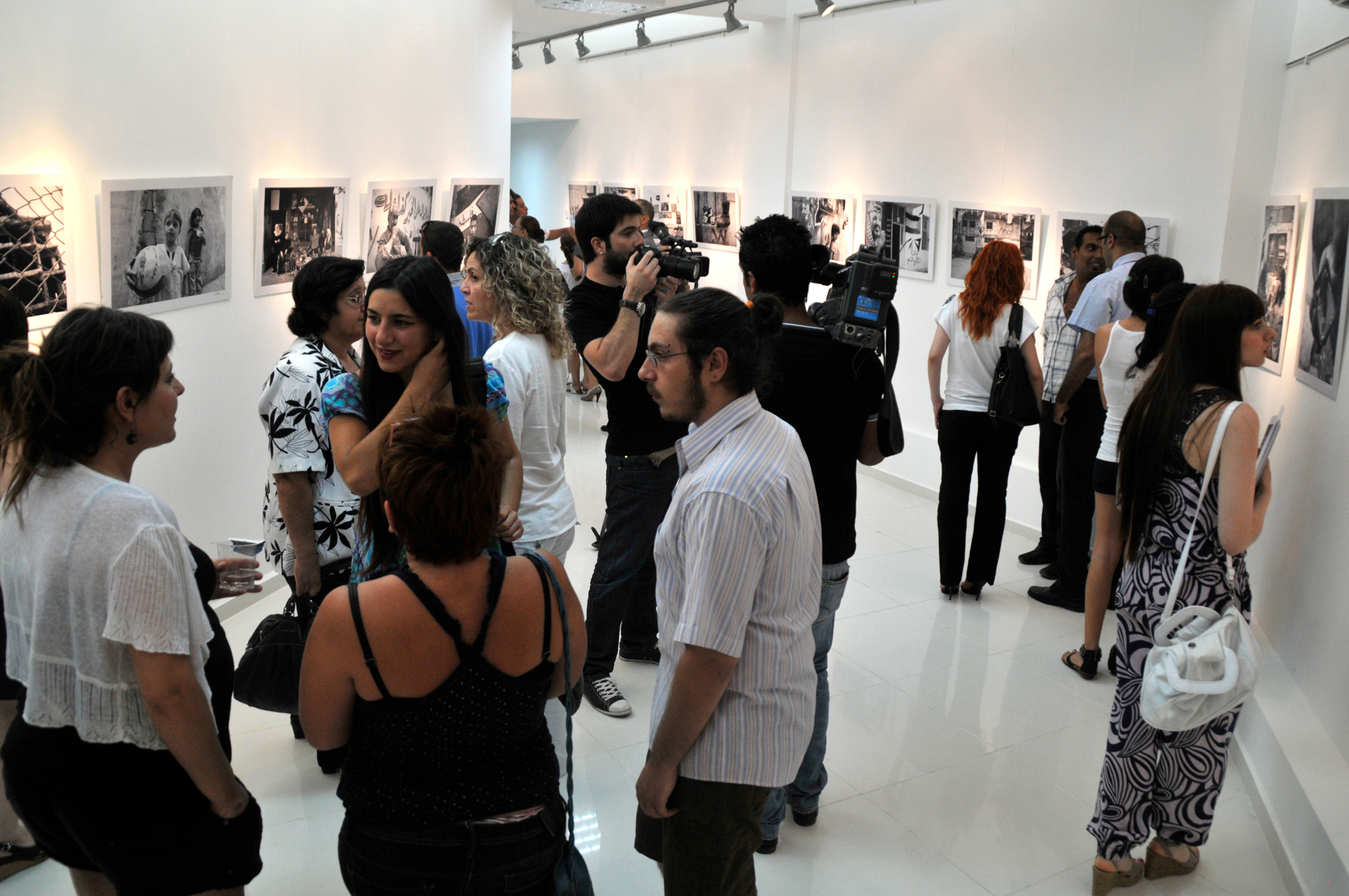
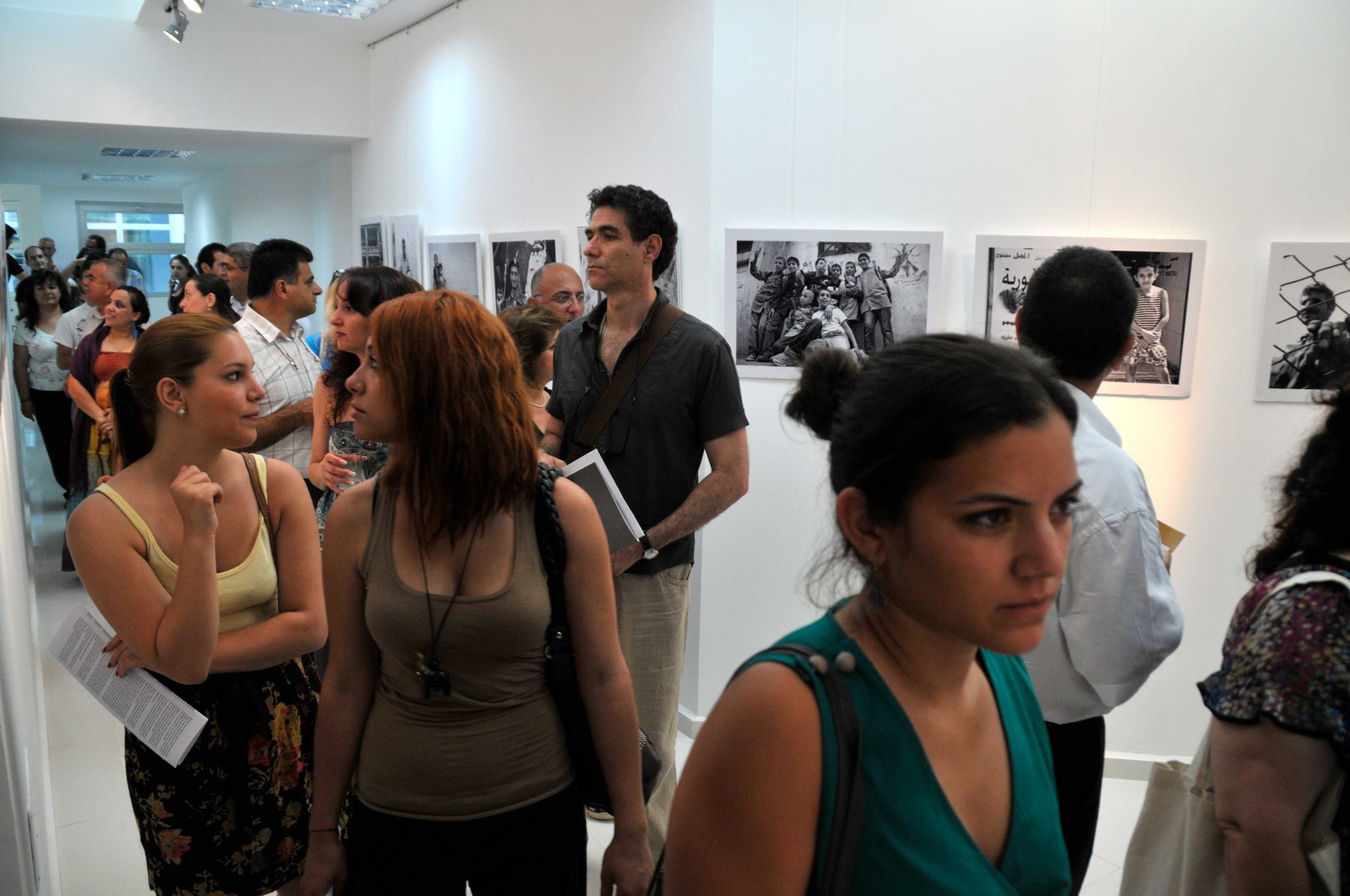
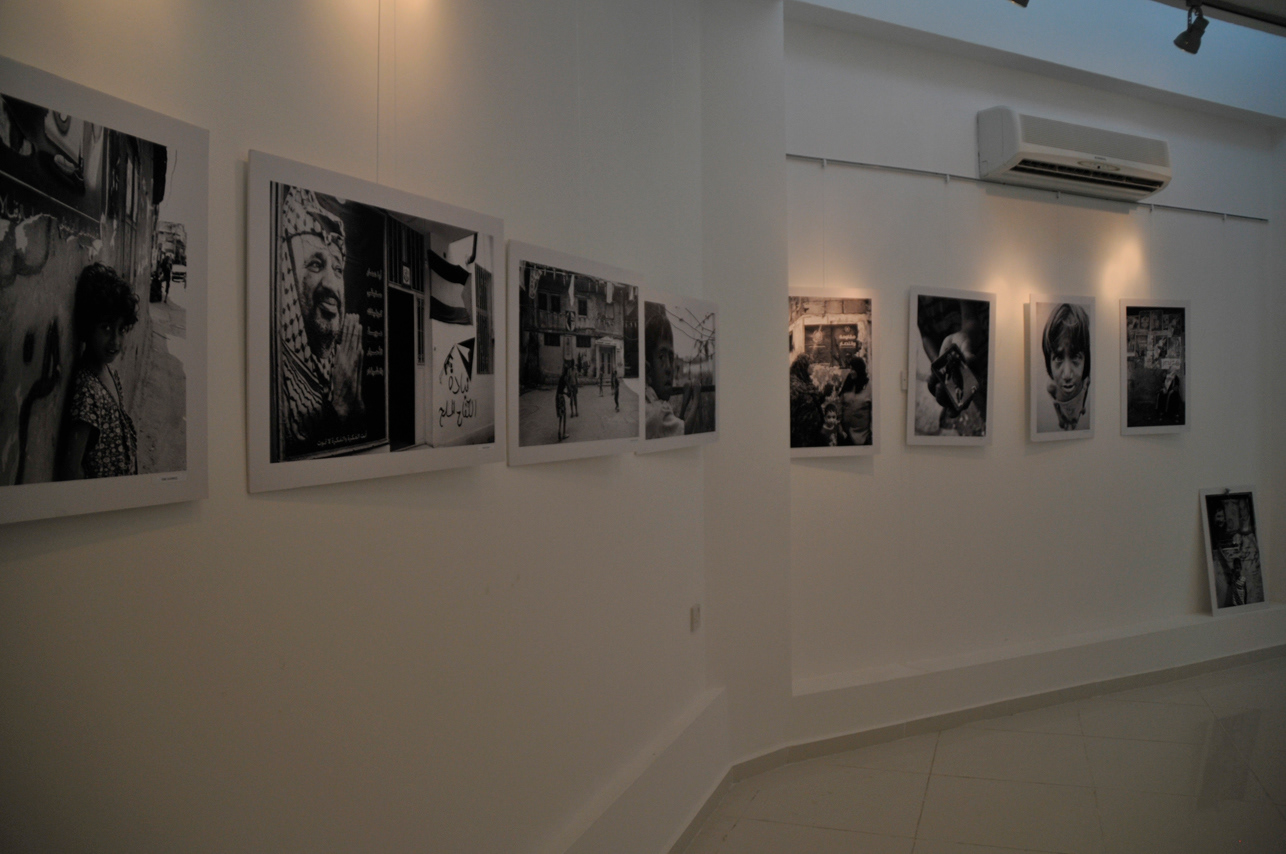
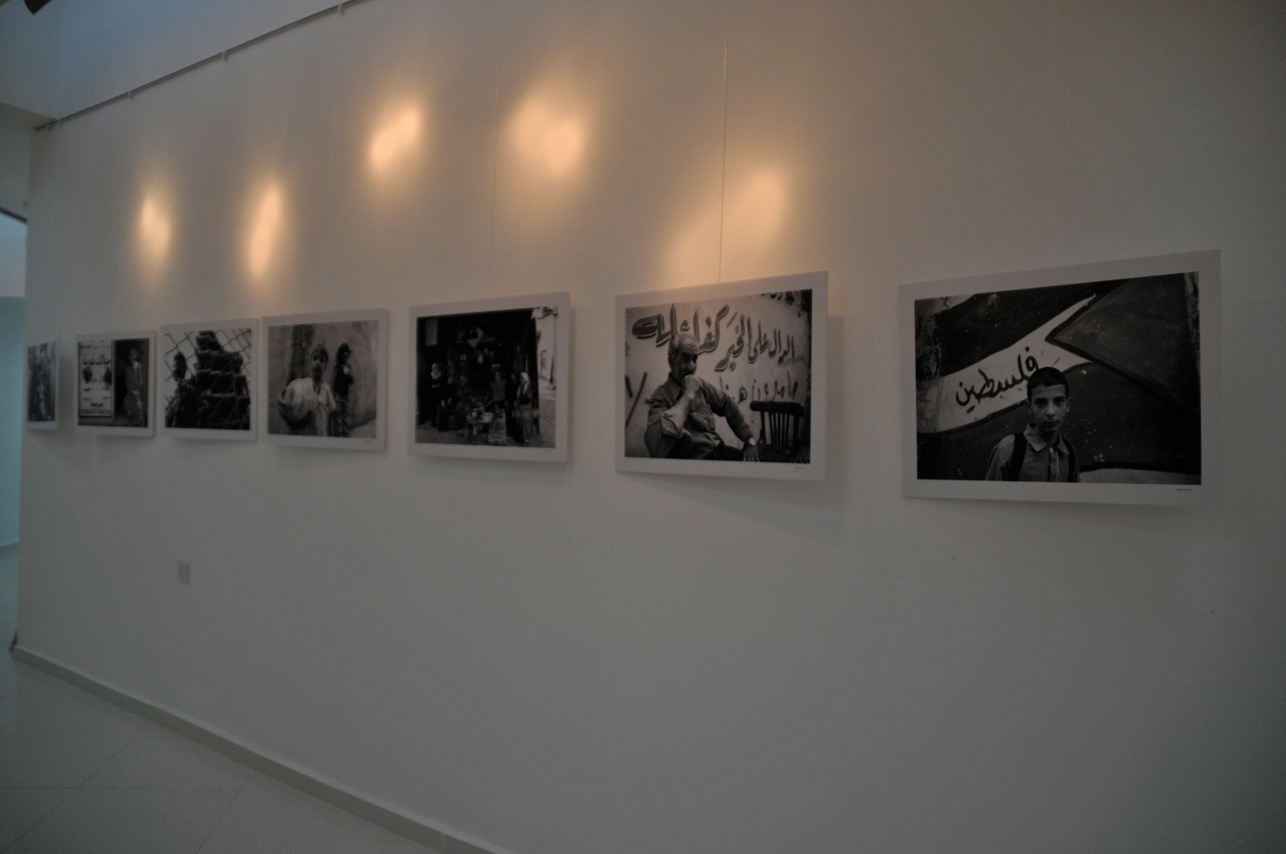
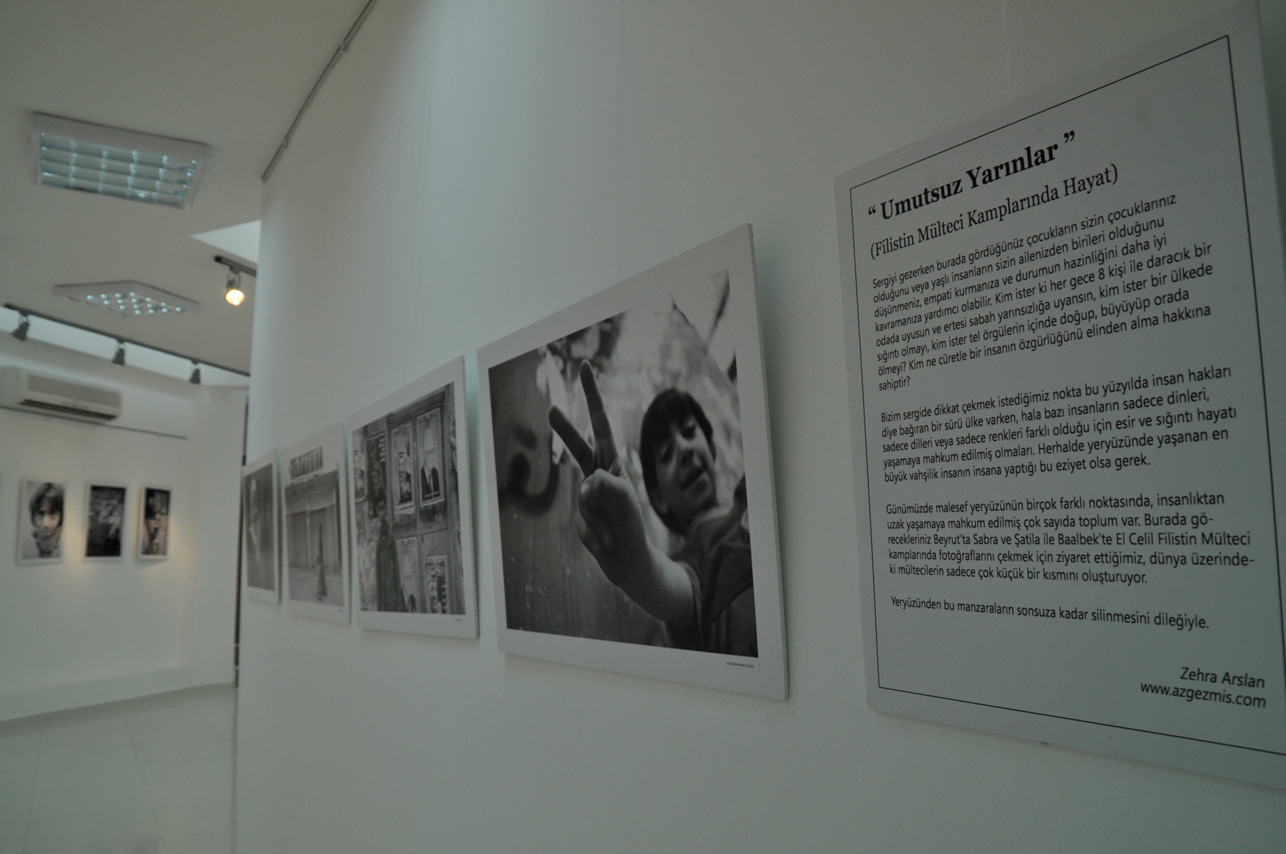
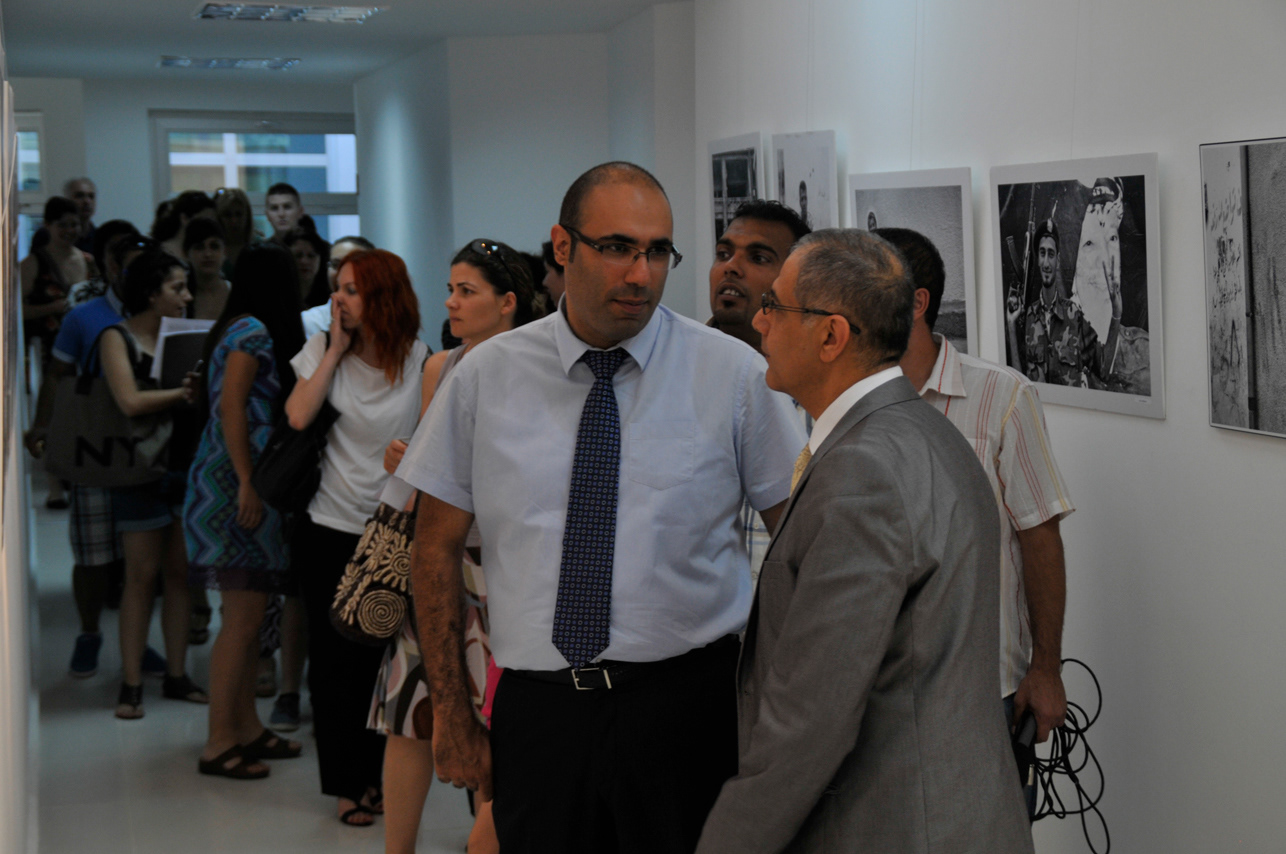
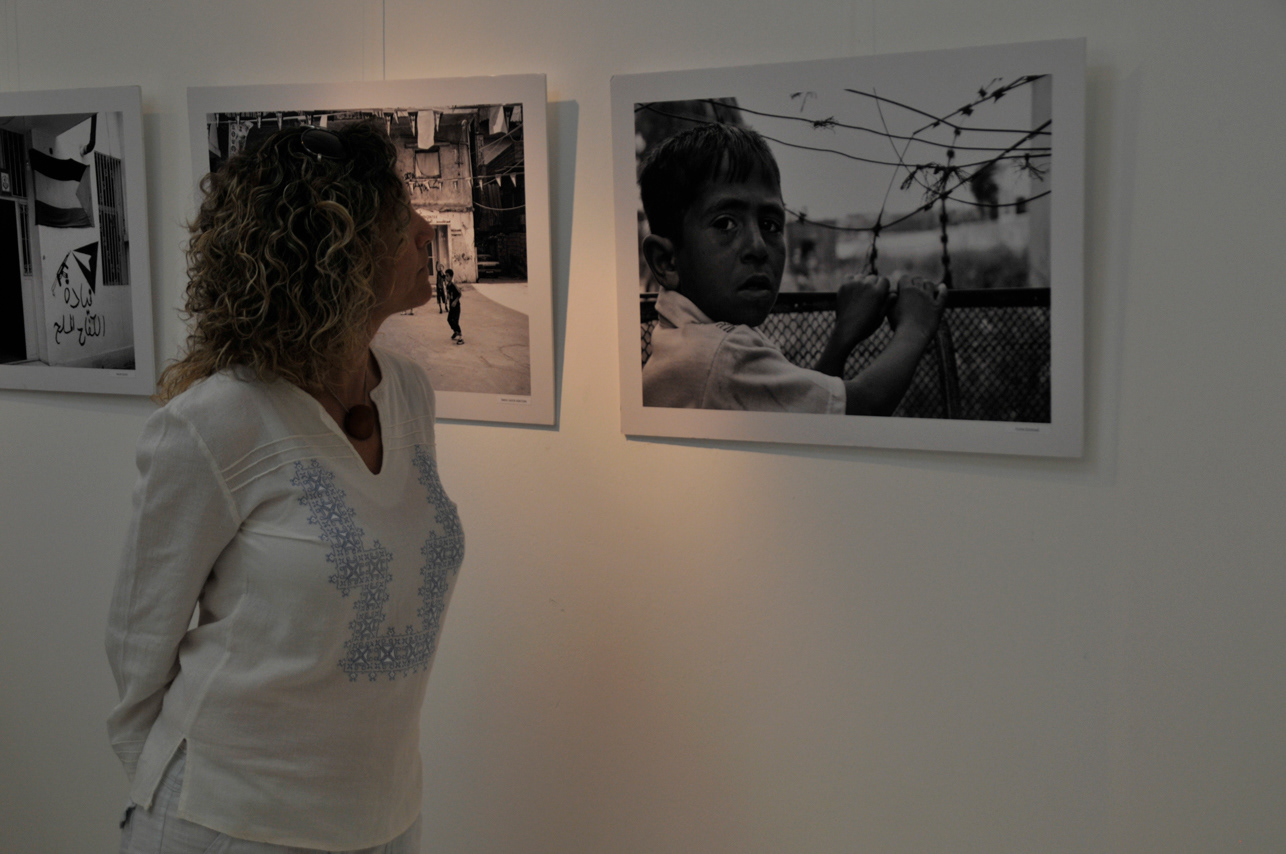
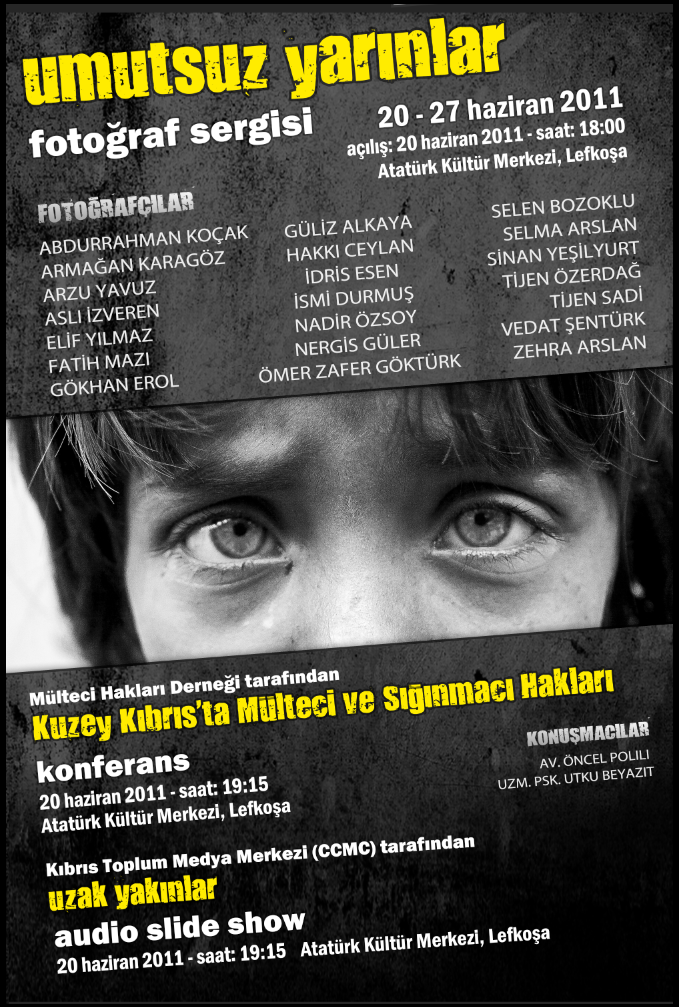
The Turkish Cypriot Human Rights Foundation and the Refugee Rights Association organised a conference entitled “Refugee and Asylum Seeker Rights in Northern Cyprus.” As part of the event marking World Refugee Day, the photography exhibition Hopeless Tomorrows, featuring photographs taken in 2010 by a group of photographers in Palestinian refugee camps in Lebanon, was opened at the Atatürk Cultural Centre (AKM) in Nicosia by Nassr Ishak, the UNHCR Representative in Cyprus.
Speaking at the opening, Nassr Ishak noted that 20 June is World Refugee Day and that 2011 also marked the 60th anniversary of the establishment of the United Nations High Commissioner for Refugees. He stated that this offered an important opportunity to reflect on the situation of refugees around the world.
Ishak pointed out that approximately 44 million people worldwide had been forced to leave their homes and homelands. While this number continued to increase as a result of new conflicts, unresolved older conflicts were also preventing many displaced people from returning home.
Referring to the most recent refugee movement from Syria into Turkey, Ishak stated that around 10,000 people, most of them women and children, were staying in camps near the Turkish border. He also noted that UNHCR Goodwill Ambassador Angelina Jolie had visited the camps and met with refugees the previous Friday.
Ishak referred to Jolie’s statement that “the Turkish government and the Turkish Red Crescent are showing immense generosity towards Syrians affected by the crisis,” and added that humanitarian organisations had responded rapidly in the camps.
He stressed that the United Nations would provide further support if the refugee situation from Syria intensified, and described Angelina Jolie’s visit as an example of how artists and public figures can contribute to raising awareness of refugee issues.
Ishak also stated that the organisation had recently published a report on the positive role of artistic activities, emphasising that artists can make an important contribution to the lives of refugees by helping communicate their experiences and circumstances to the wider world.
Speaking on behalf of the photographers whose works were included in the exhibition, Tijen Özerdağ explained that in 2010, through an initiative organised by the Azgezmiş Group, a total of 22 photographers from Turkey and Northern Cyprus visited Palestinian refugee camps in Beirut and Baalbek, Lebanon. She stated that the group sought to raise awareness by organising exhibitions and sharing what they had witnessed with as many people as possible.
“While you are walking through this exhibition, you will see what we saw, through our eyes,” Özerdağ said.
She continued:
“The people you will see in this exhibition live with the possibility that they may not wake up tomorrow. They know that they may never return to their homes or see their lands again, yet they continue to wait with hope.”
The exhibition featured photographs by Abdurrahman Koçak, Armağan Karagöz, Arzu Yavuz, Aslı İzveren, Elif Yılmaz, Fatih Mazi, Gökhan Erol, Güliz Akkaya, Hakkı Ceylan, İdris Esen, İsmi Durmuş, Nadir Özsoy, Nergiz Güler, Ömer Zafer Göktürk, Selen Bozoklu, Selma Arslan, Sinan Yeşilyurt, Tijen Özerdağ, Tijen Sadi, Vedat Şentürk, and Zahra Arslan.