
Elsie Slonim was an American-born Jewish woman whose life intersected with some of the most significant political and historical upheavals of the twentieth century. In 1939, she met her future husband in the United States. At the time, he was a businessman based in Cyprus, and following their marriage, the couple settled on the island.
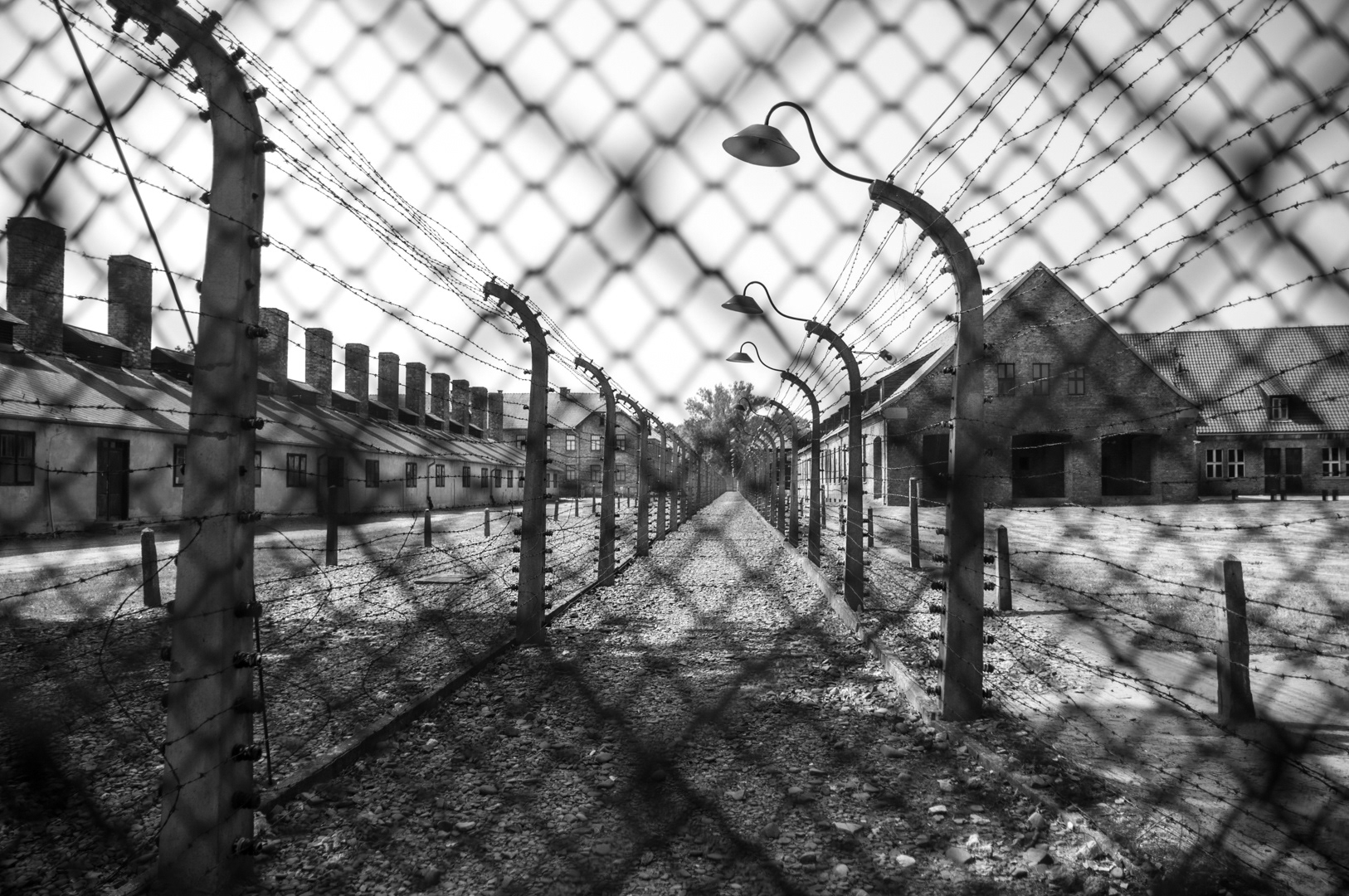
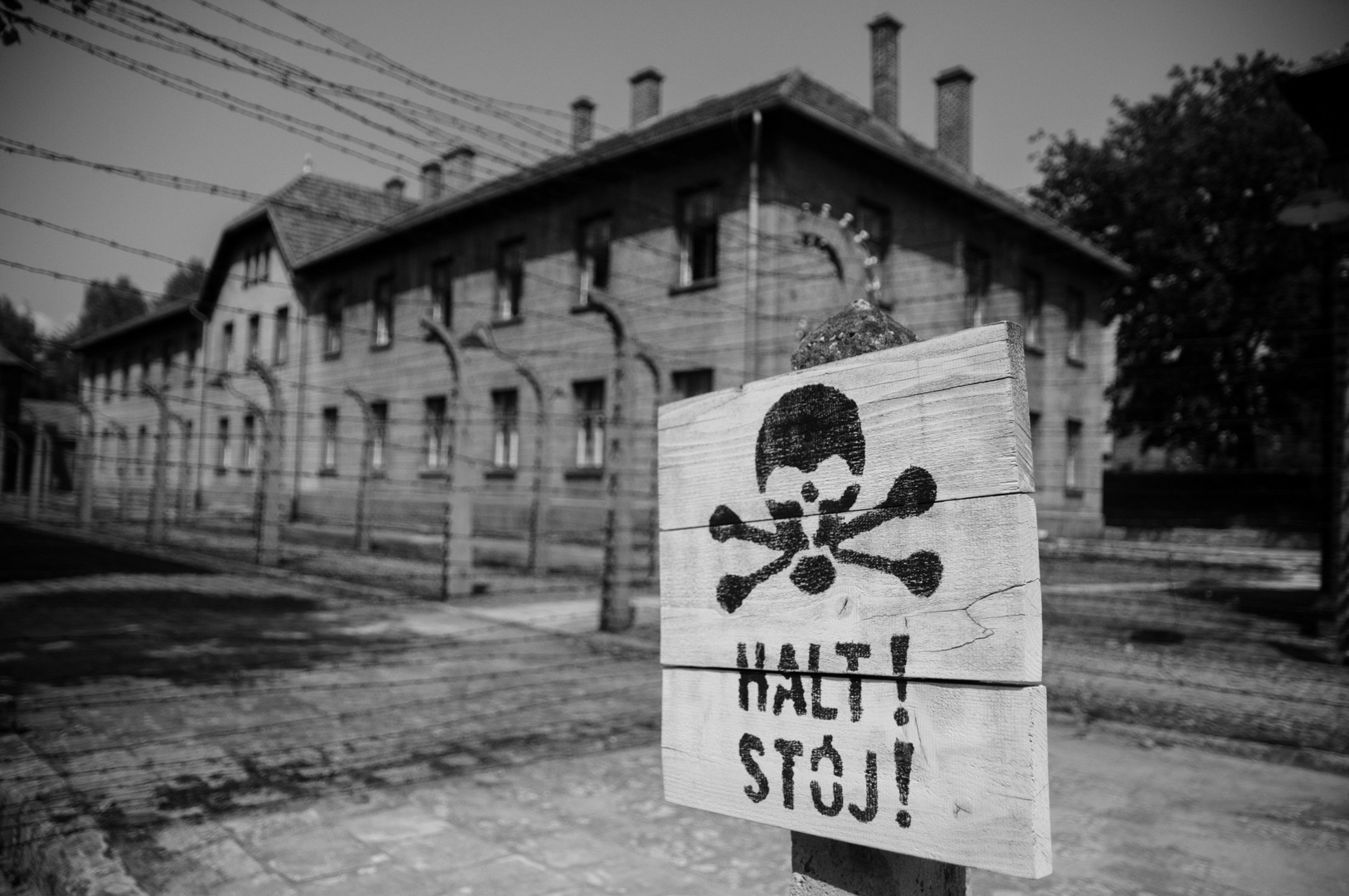
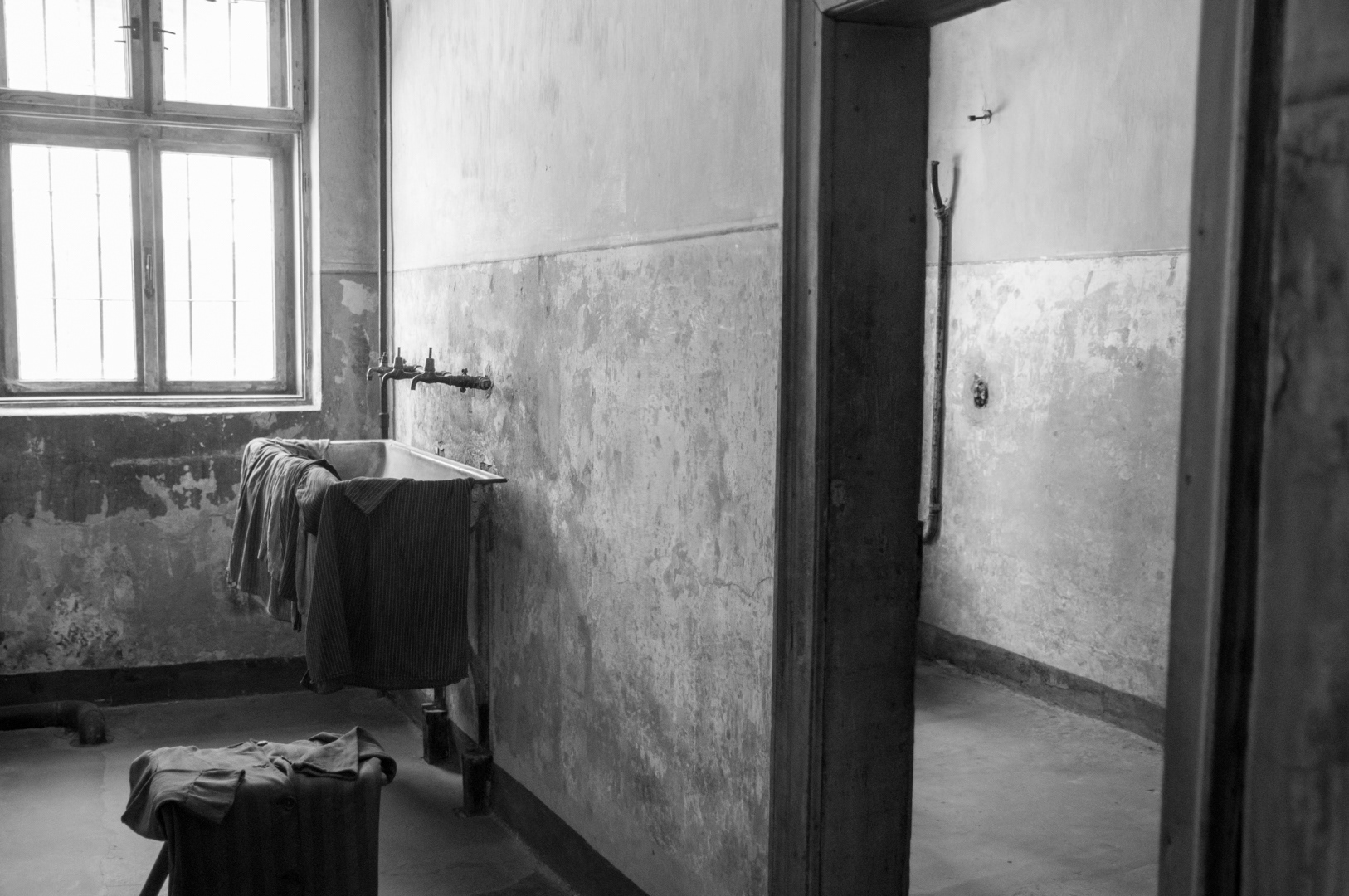
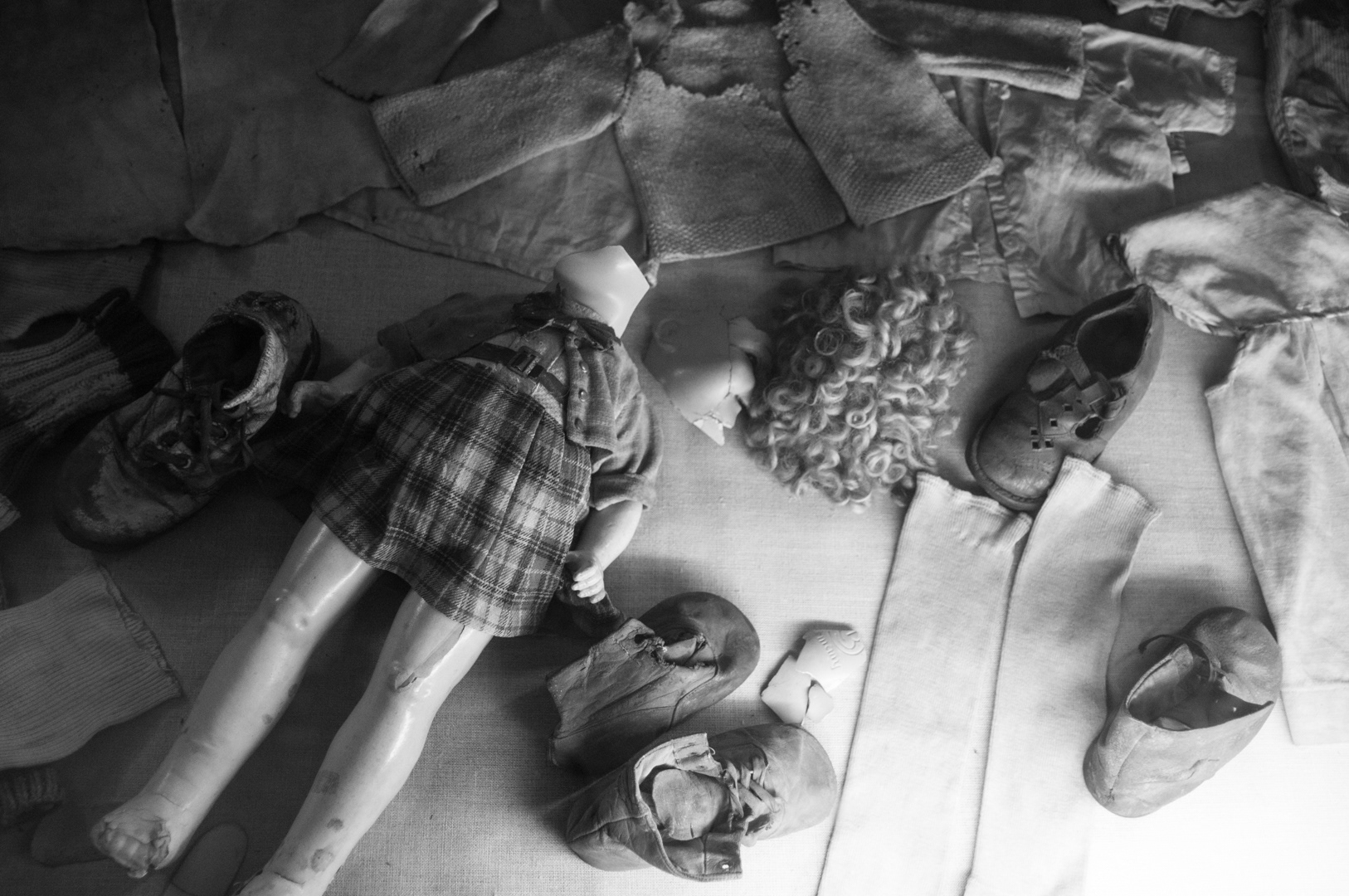
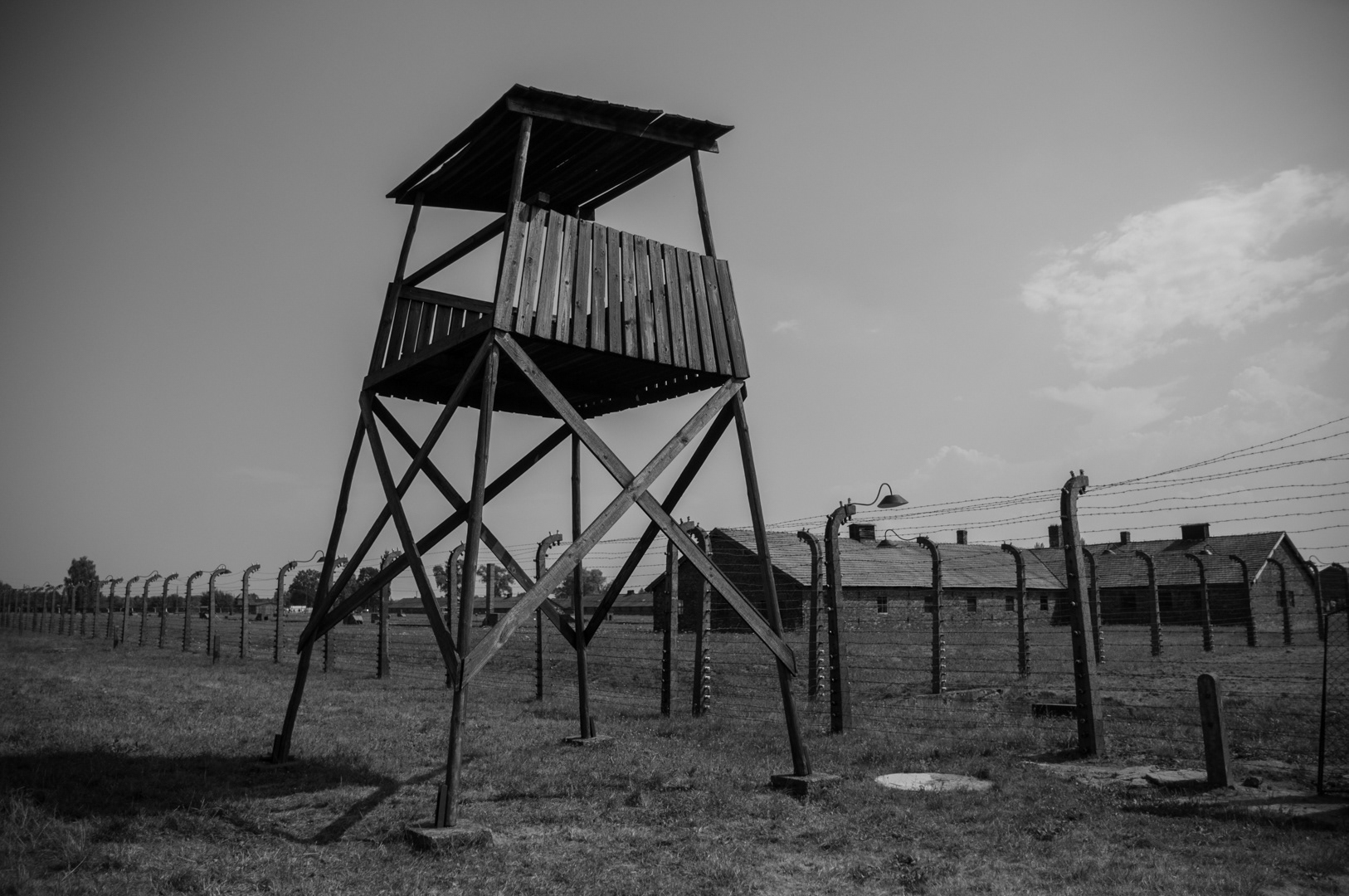
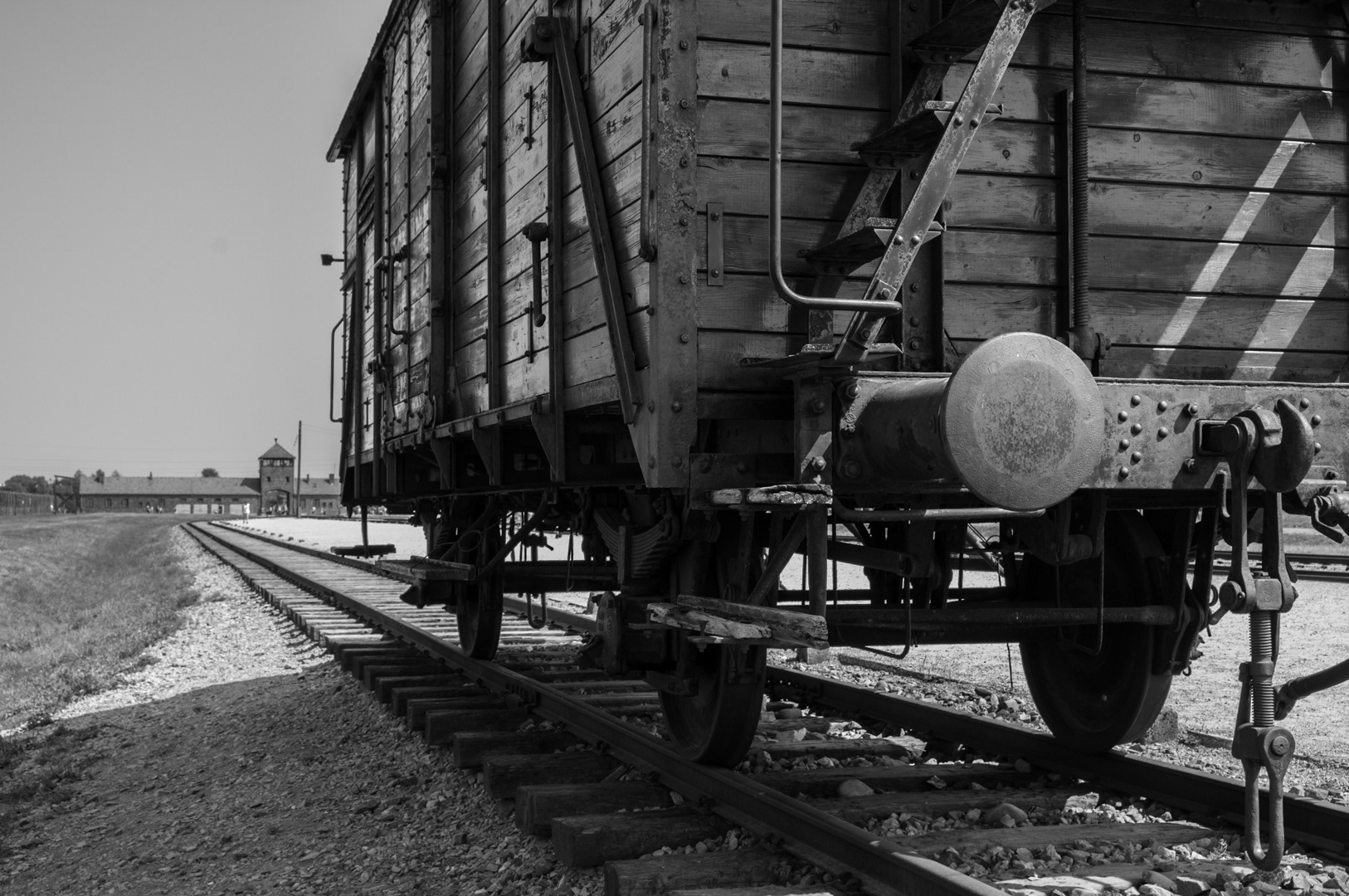
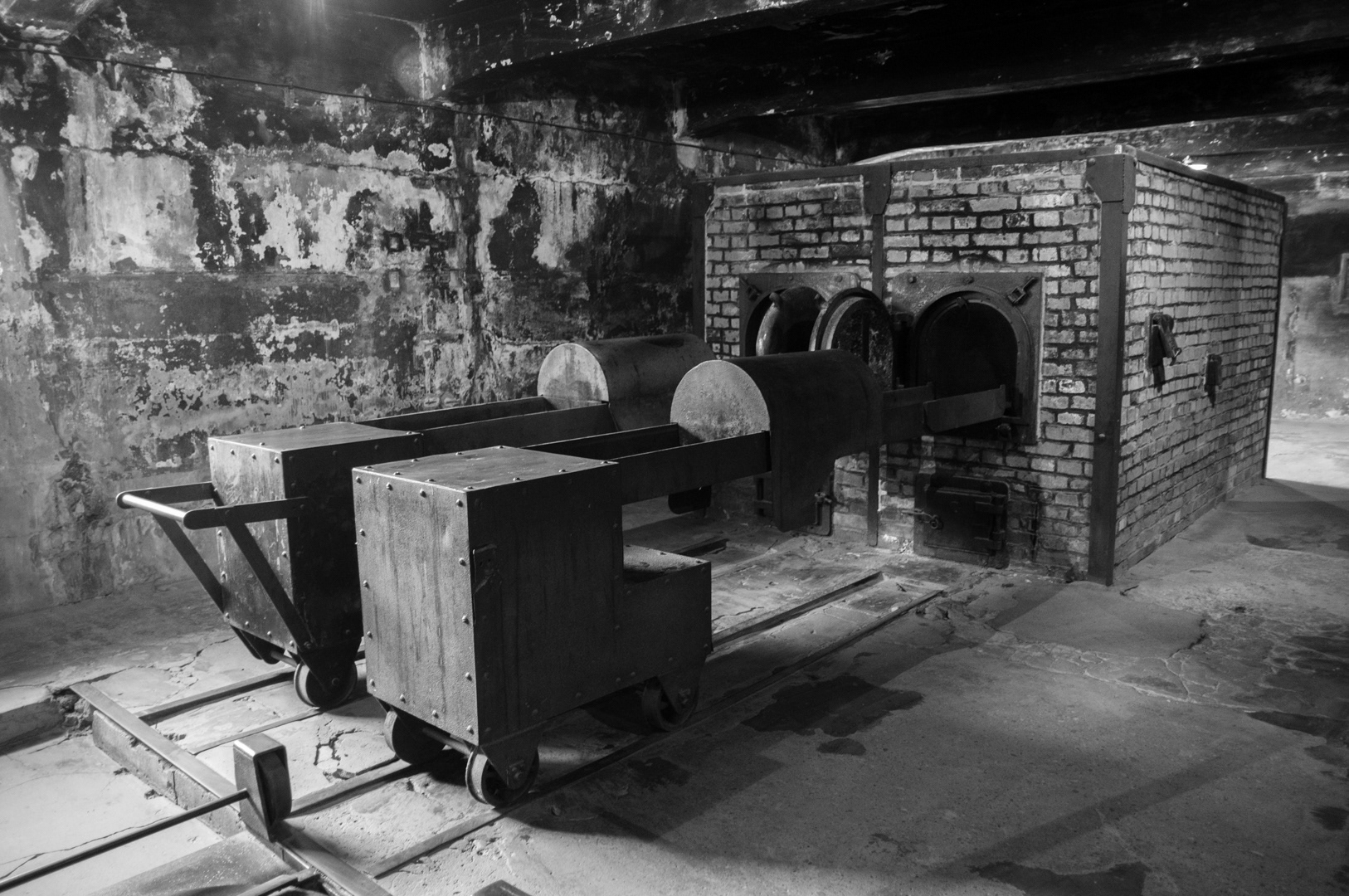
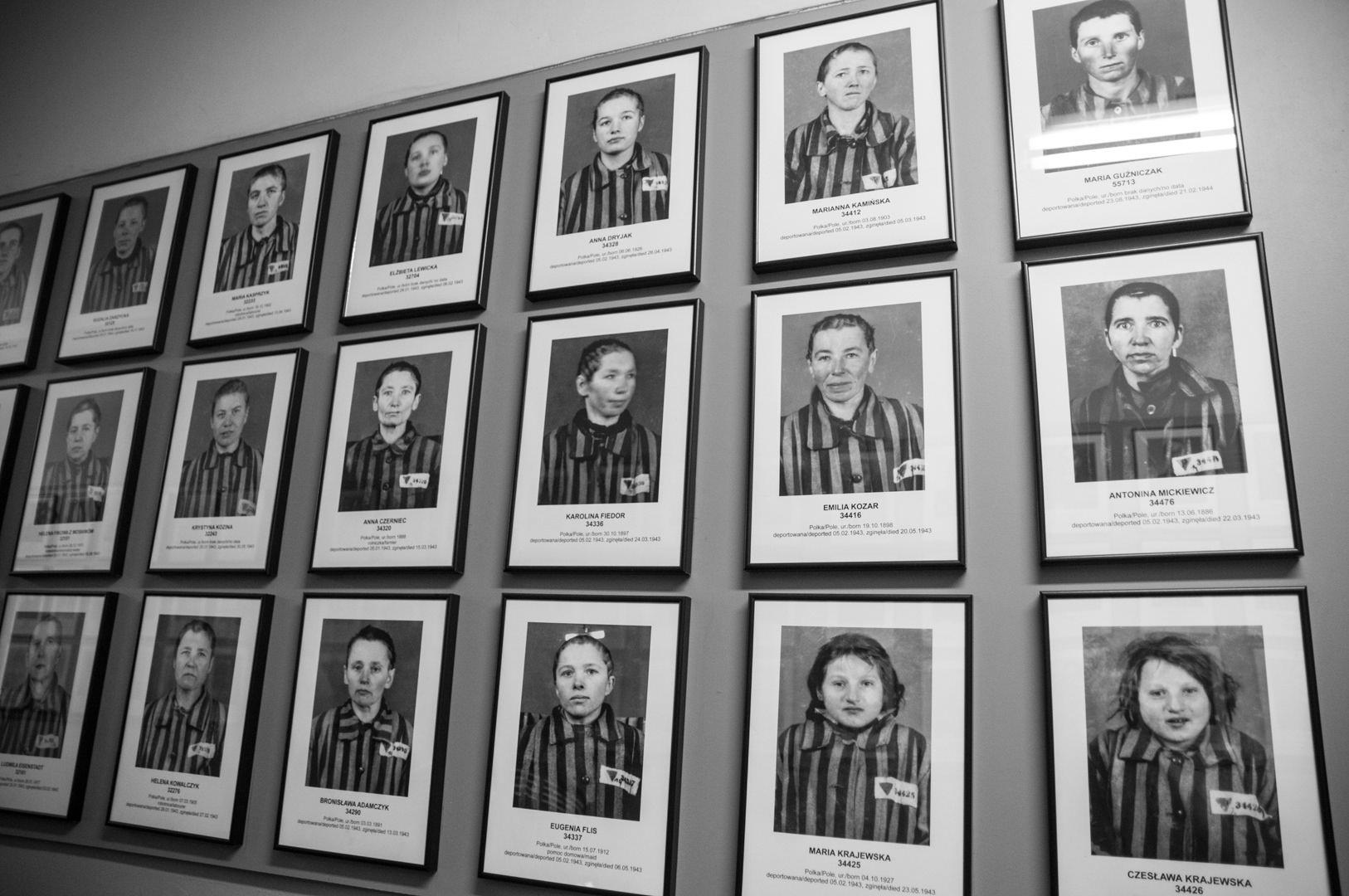
As a Jewish woman living through the Second World War, Slonim was profoundly affected by the Holocaust. With the exception of her immediate family—her parents and sister—she lost her extended family during the genocide. Her personal history was therefore deeply marked by experiences of war, displacement, loss, and survival.
During the Second World War, Slonim and her family were evacuated from Cyprus by the British authorities to British Mandate Palestine, where they lived as wartime refugees. Following the end of the war, they returned to Cyprus, which remained her home for much of the rest of her life.
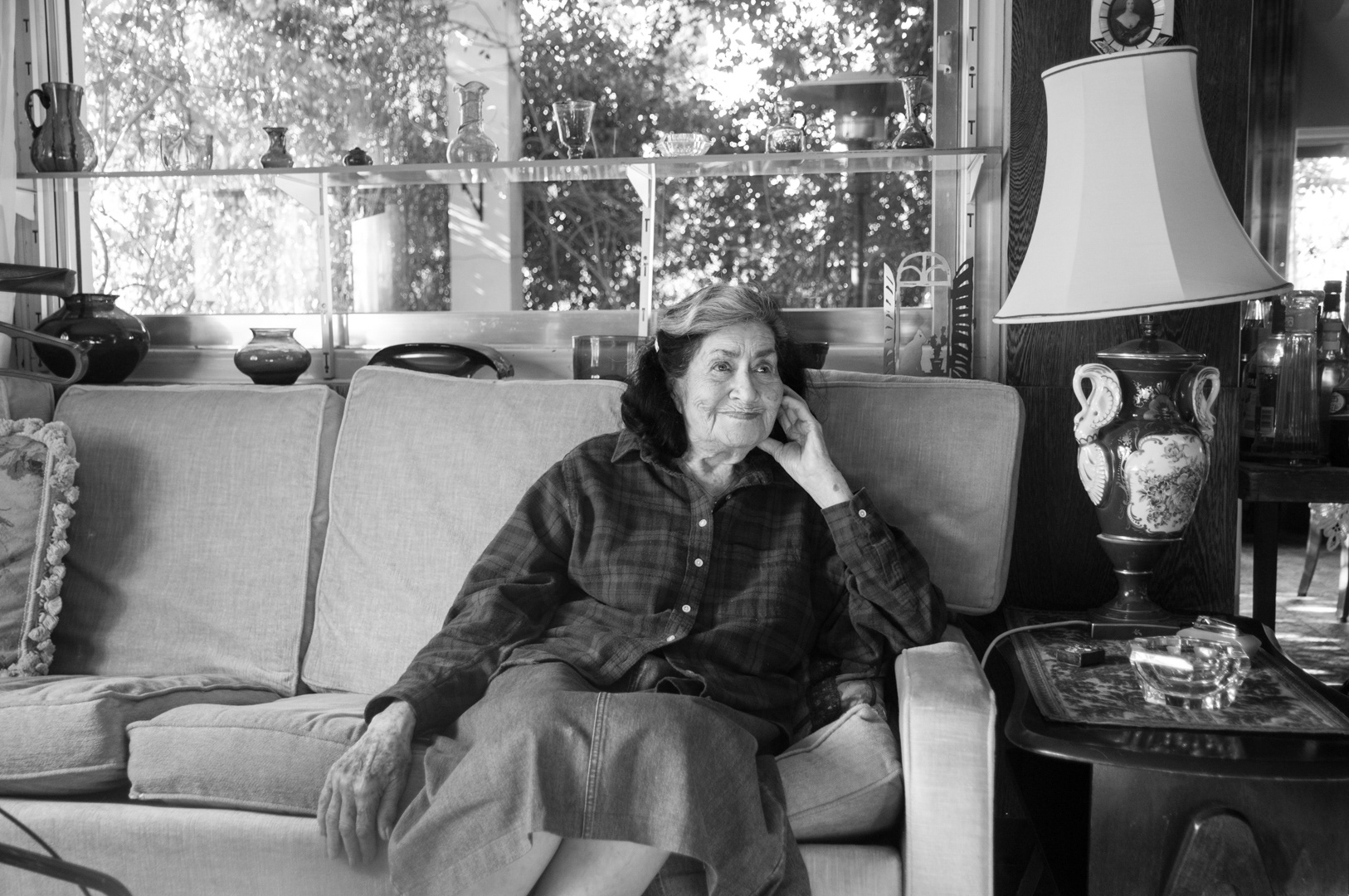
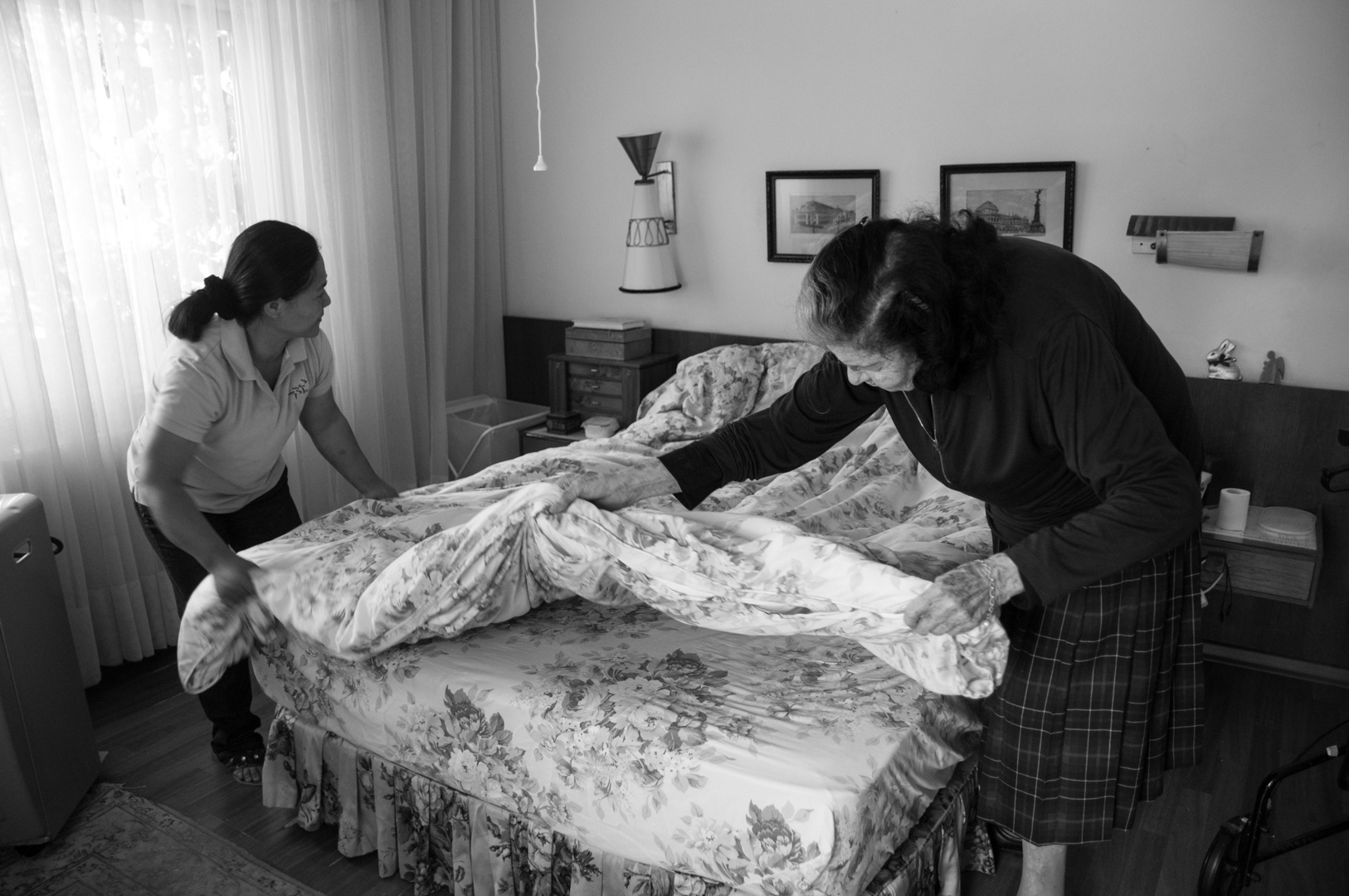
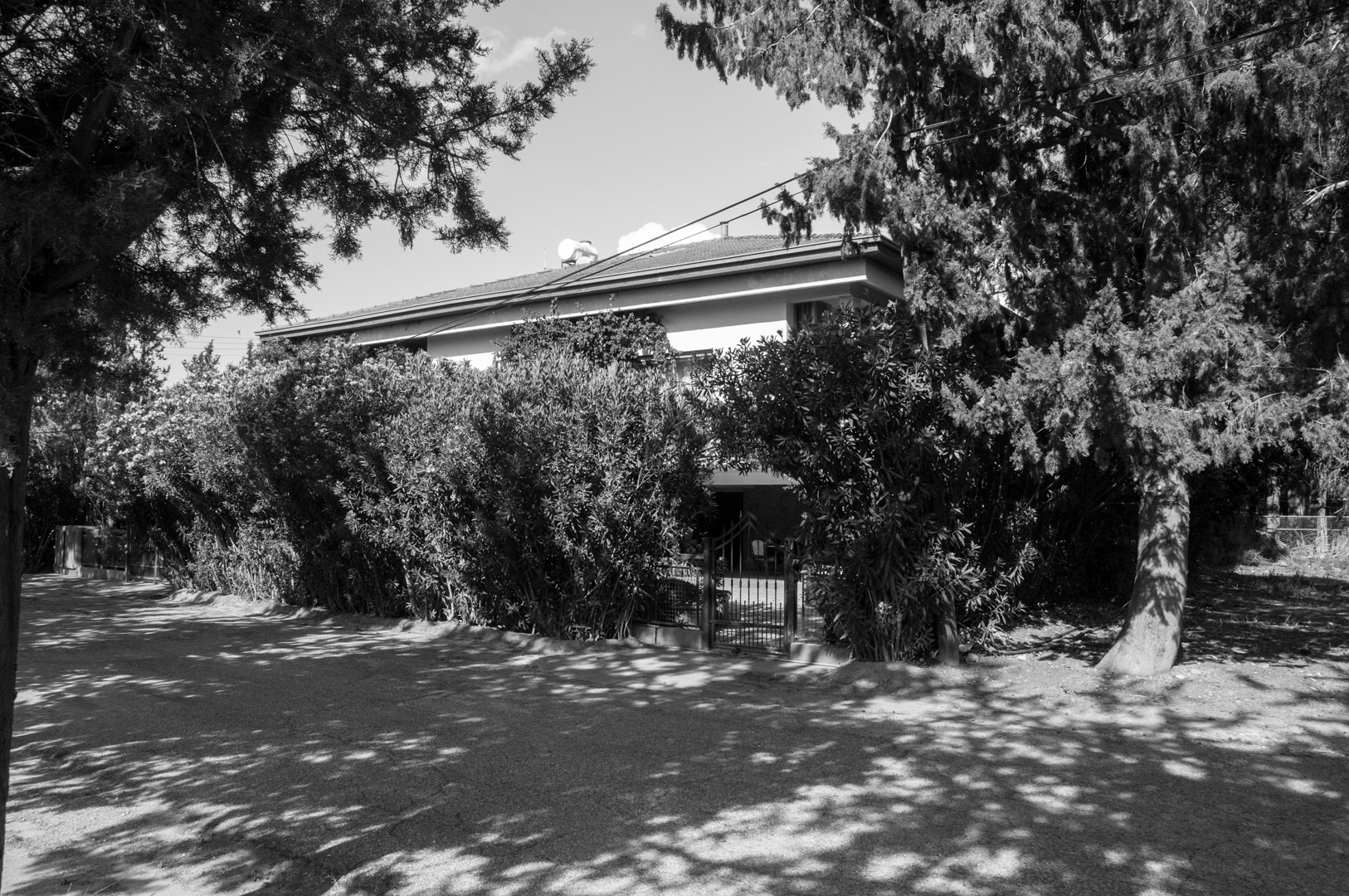
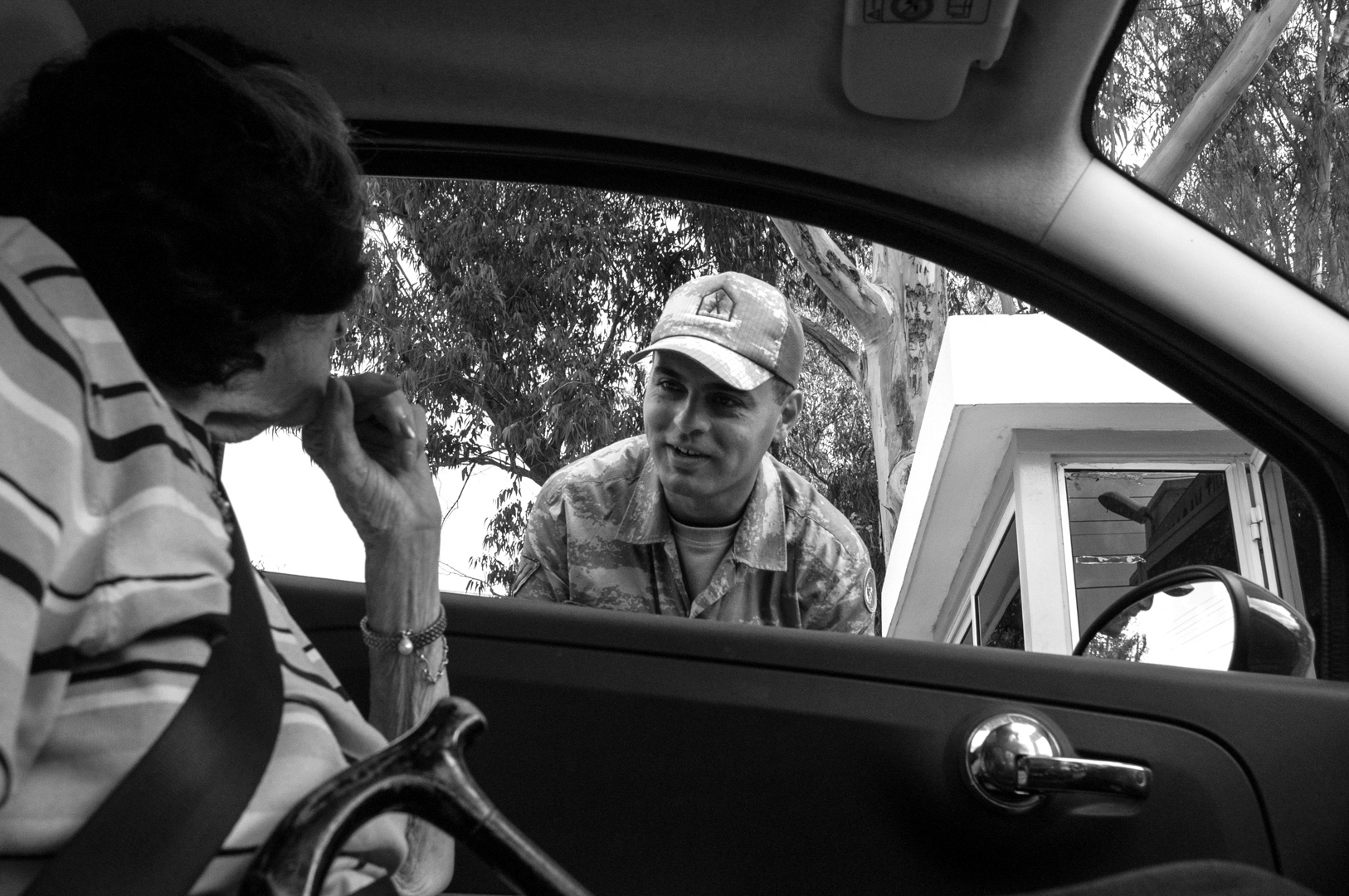
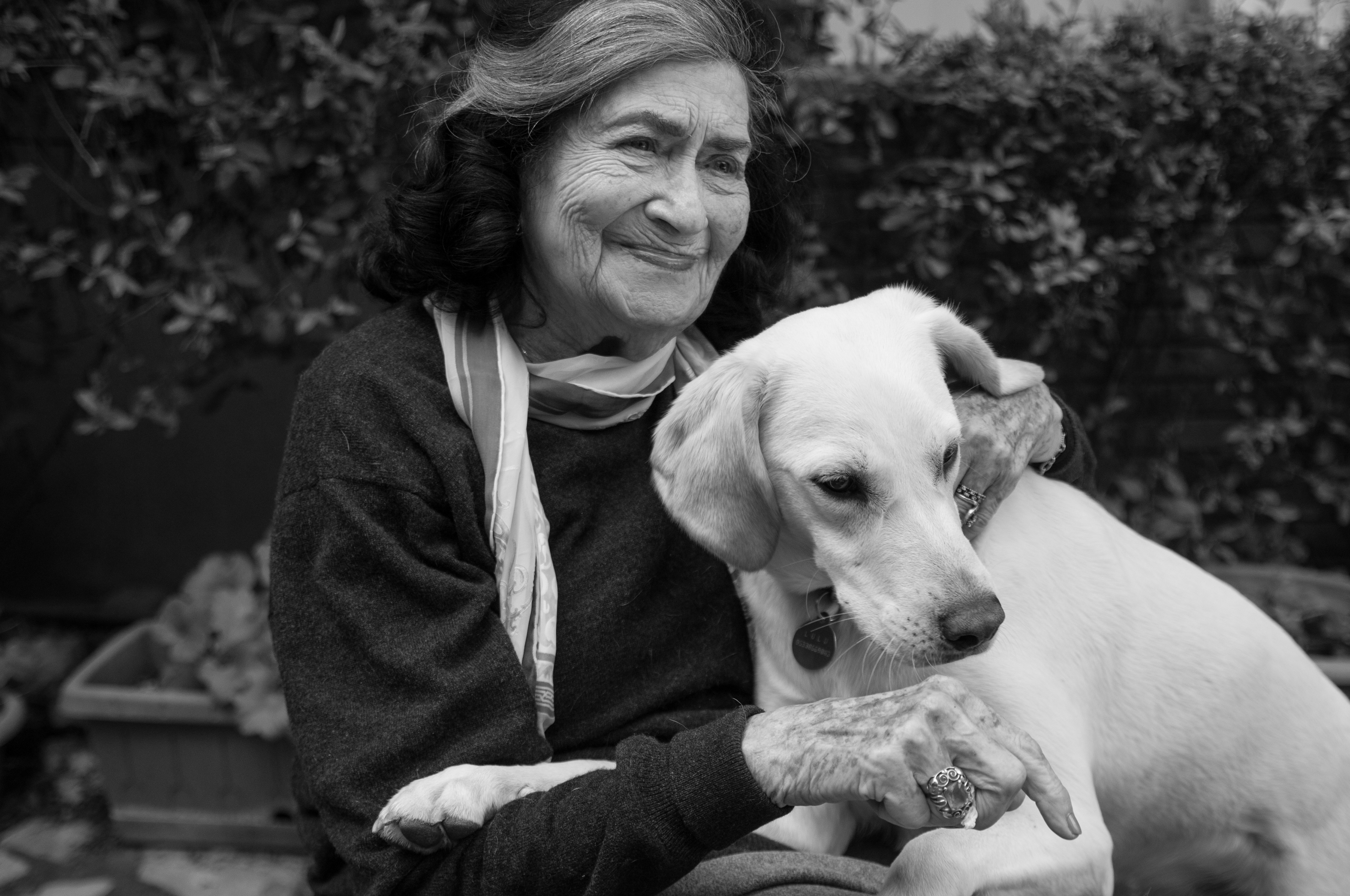
Between 2005 and 2011, Slonim experienced further profound personal losses with the deaths of her husband and her two children. When I first met and photographed her in 2015, she was ninety-eight years old and was the only civilian residing within the United Nations–controlled Buffer Zone in Nicosia, which has separated the two communities of Cyprus since the island's division in 1974. Access to her residence was highly restricted, and visiting her required special permission from the relevant authorities.
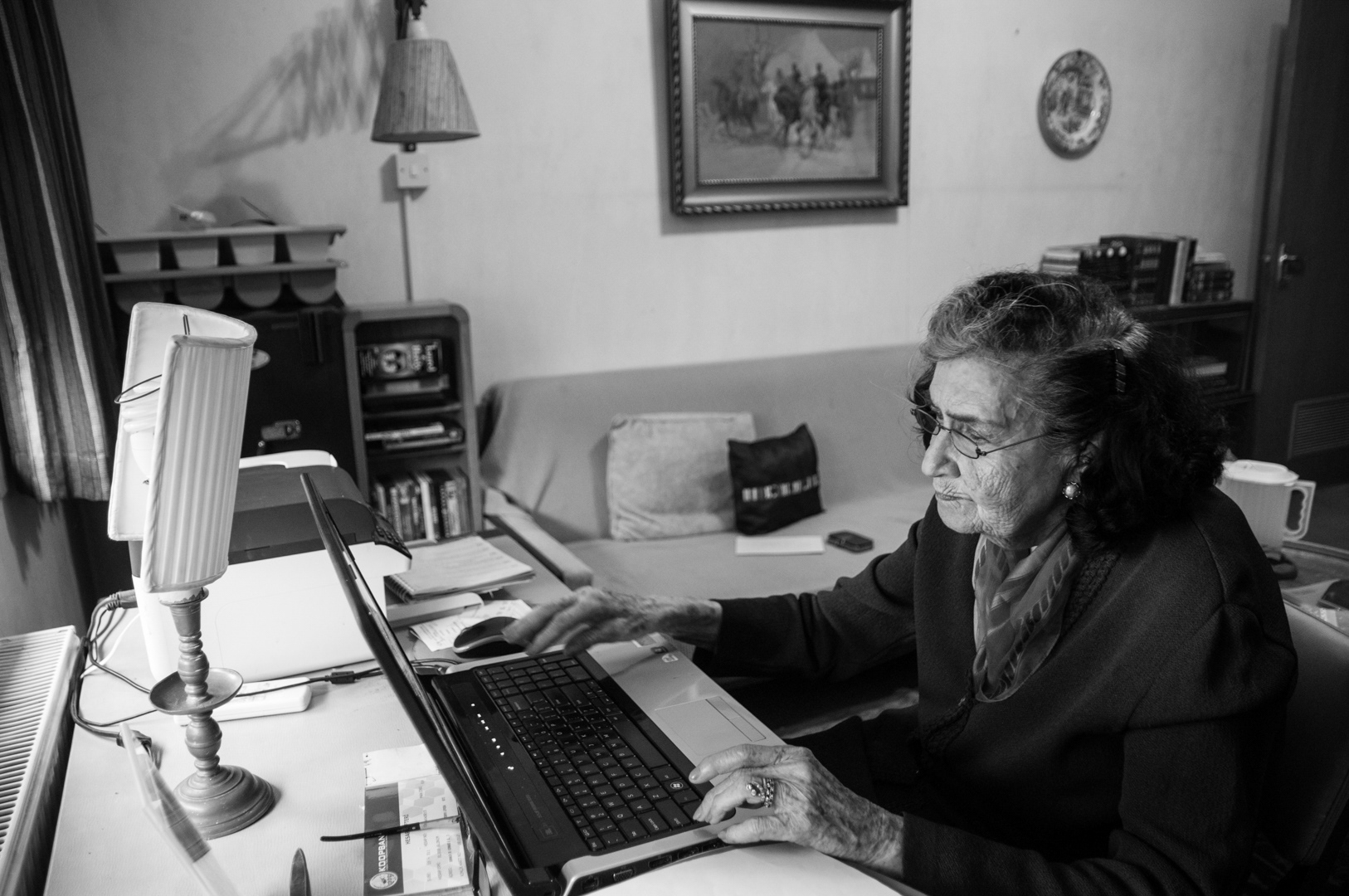
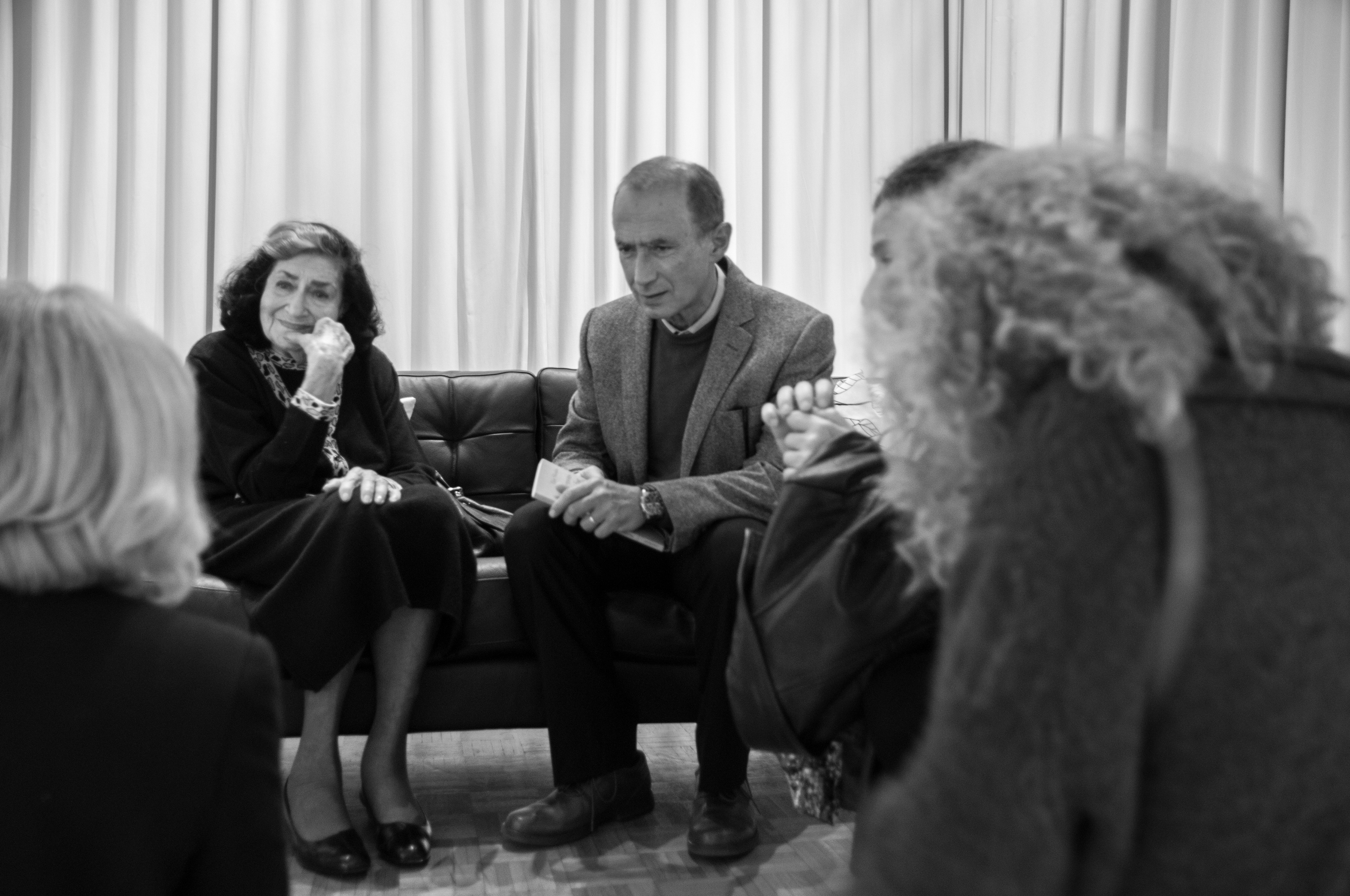
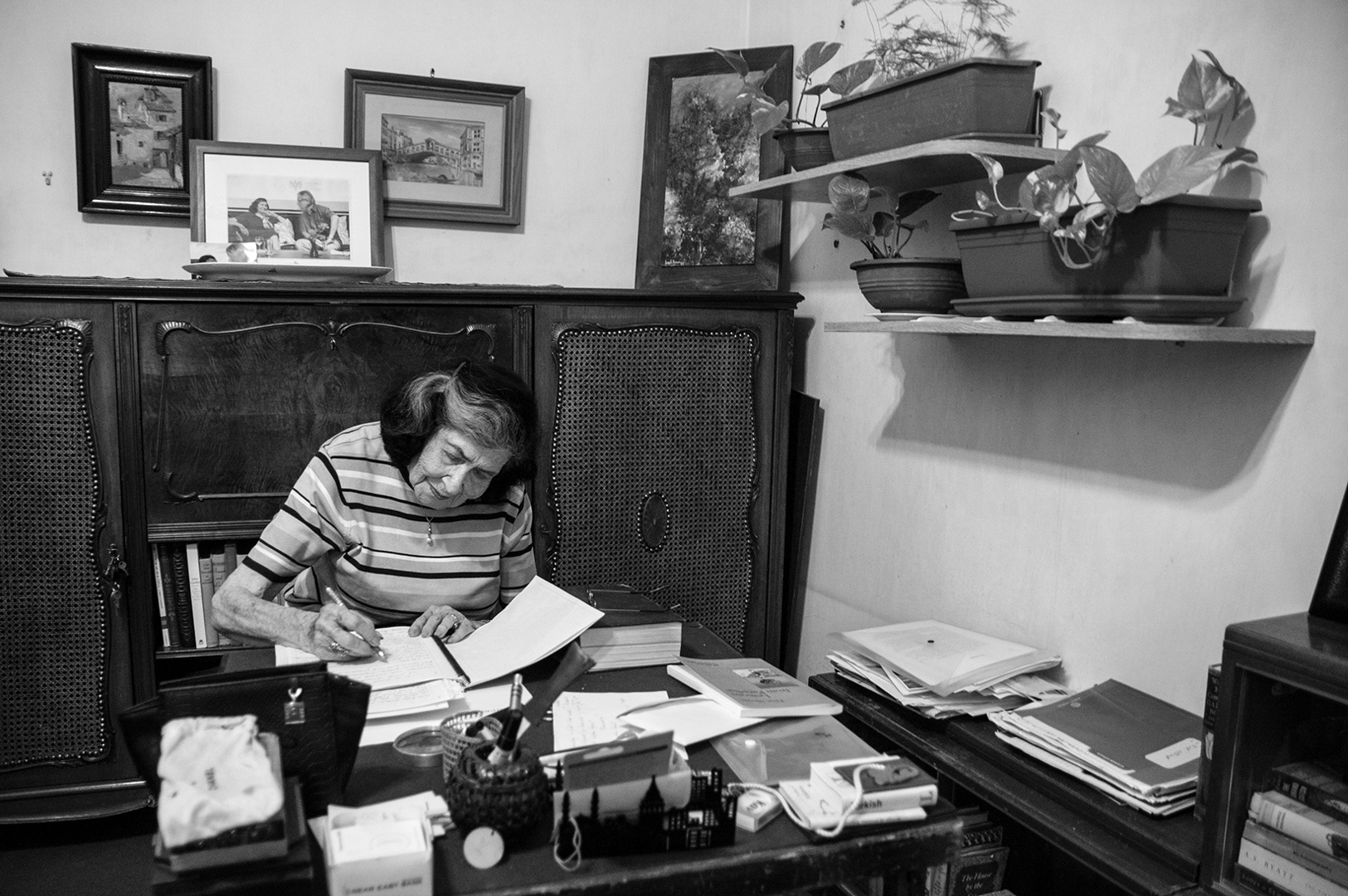
Slonim's life was also documented through her own writing. Her first book, Lemons from Paradise, published in 2012, recounts a life shaped by movement between the United States, Austria, Cyprus, and Palestine/Israel. In 2017, she published her second book, Ahead of Time. She continued writing into the final years of her life and was working on another book when she died on 26 January 2021, at the age of 103.
This photographic project approaches Elsie Slonim not simply as the subject of a portrait, but as a living witness to a century marked by war, forced displacement, migration, division, and personal loss. Her presence within the Buffer Zone—a politically and geographically suspended space—gave particular resonance to a life already shaped by repeated experiences of displacement and historical rupture. The photographs therefore seek to engage with the relationship between individual memory and collective history, considering the portrait as a form of testimony through which personal experience becomes connected to broader histories of conflict, migration, and belonging.