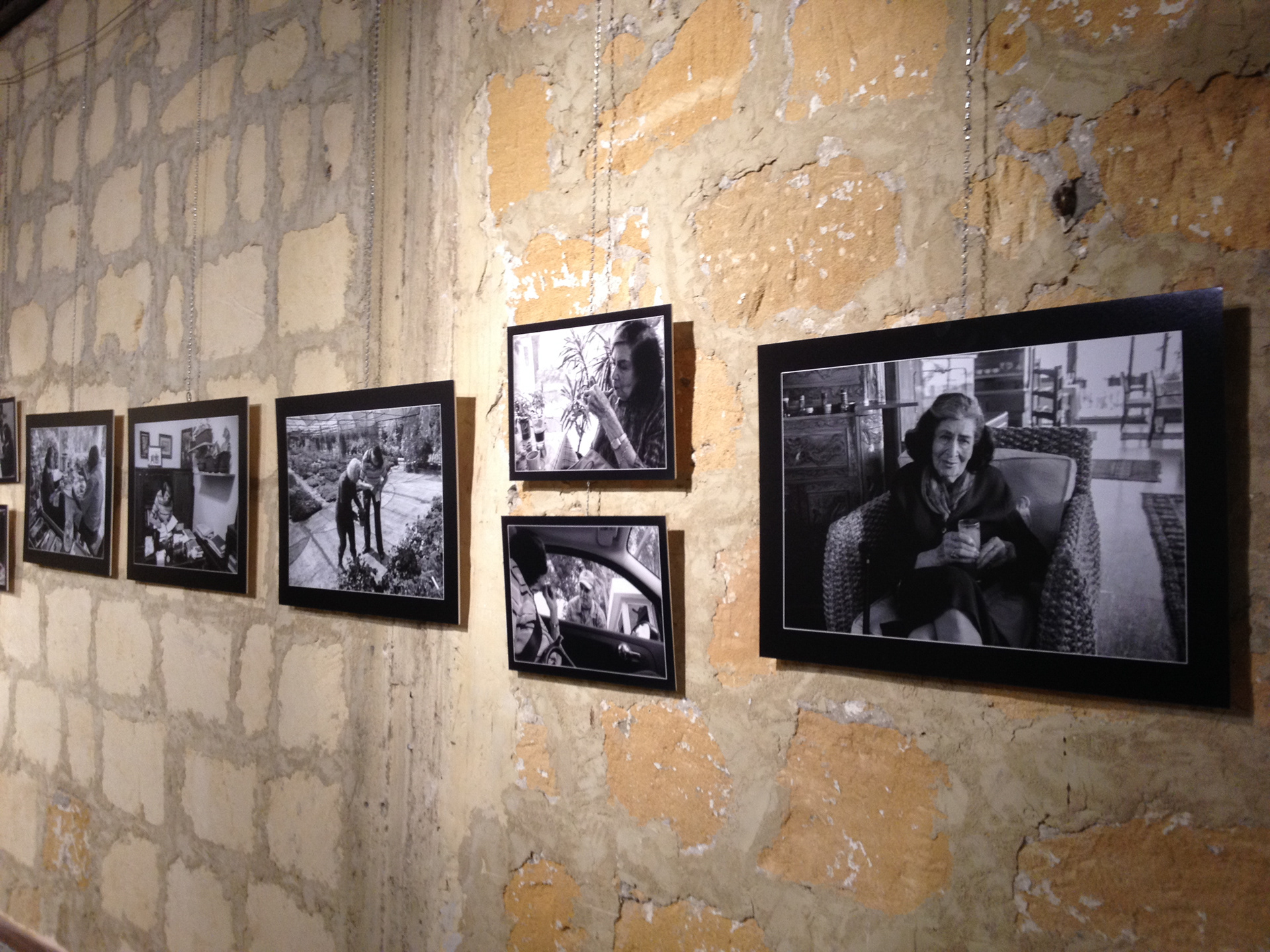
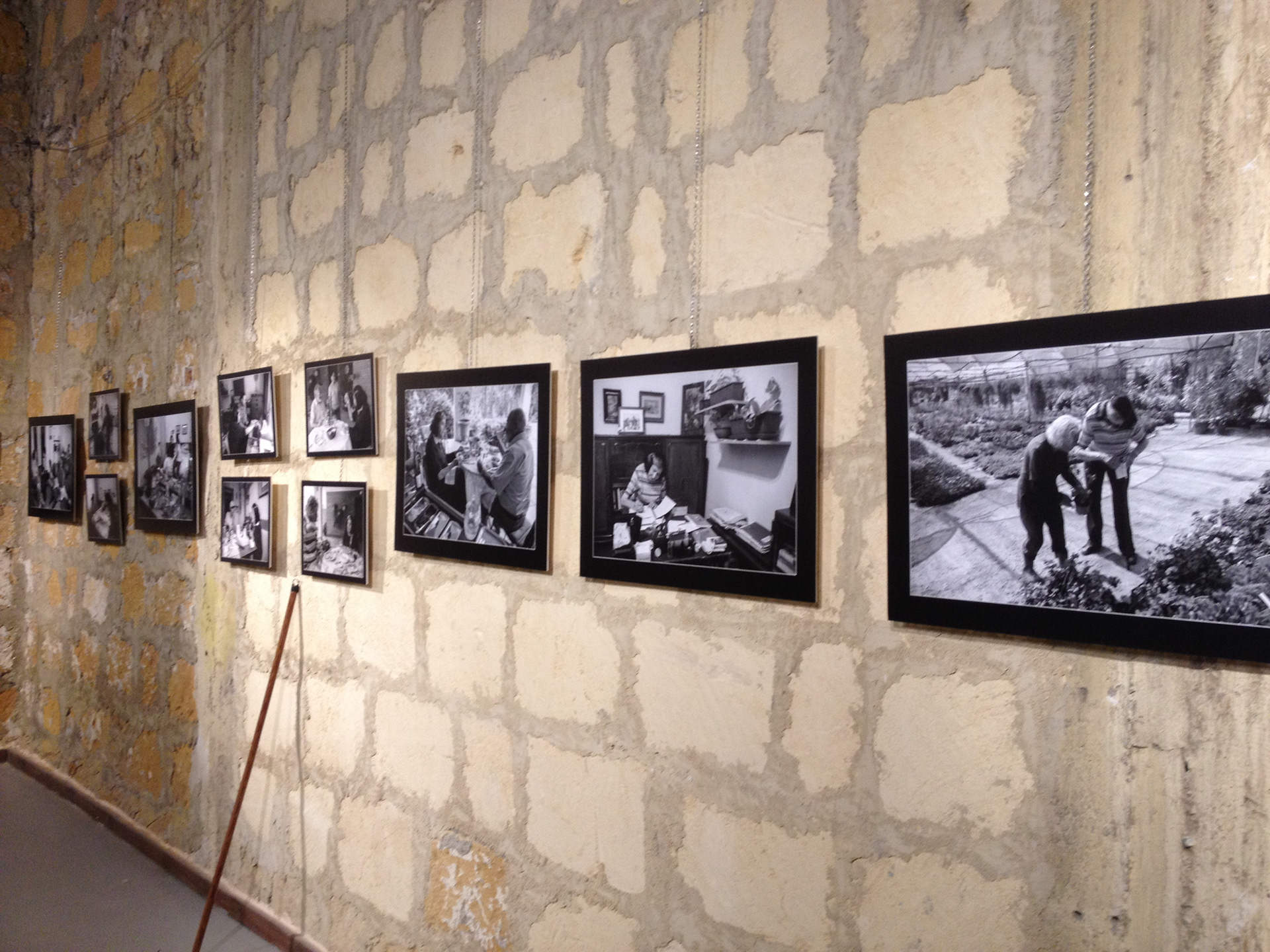
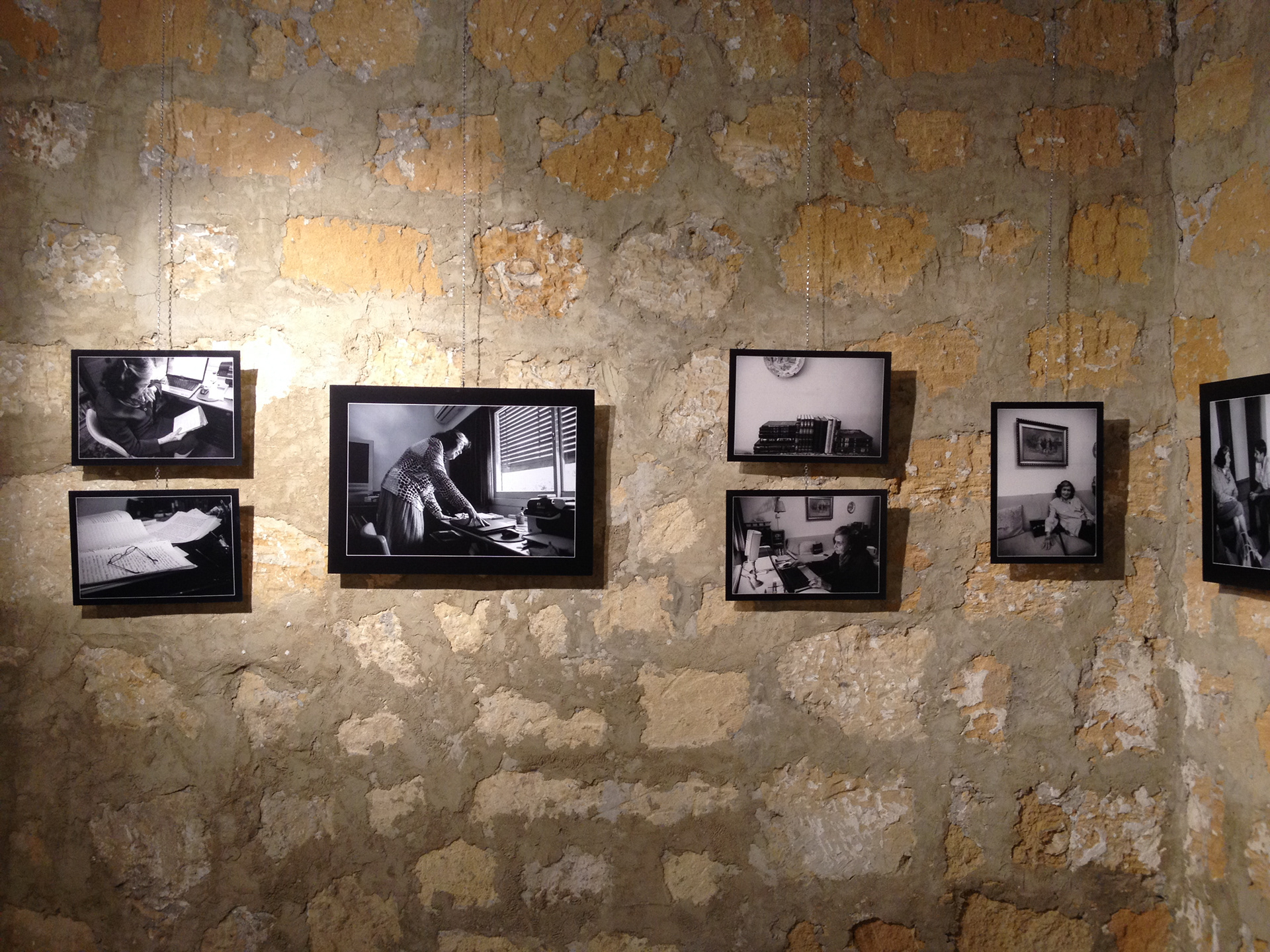
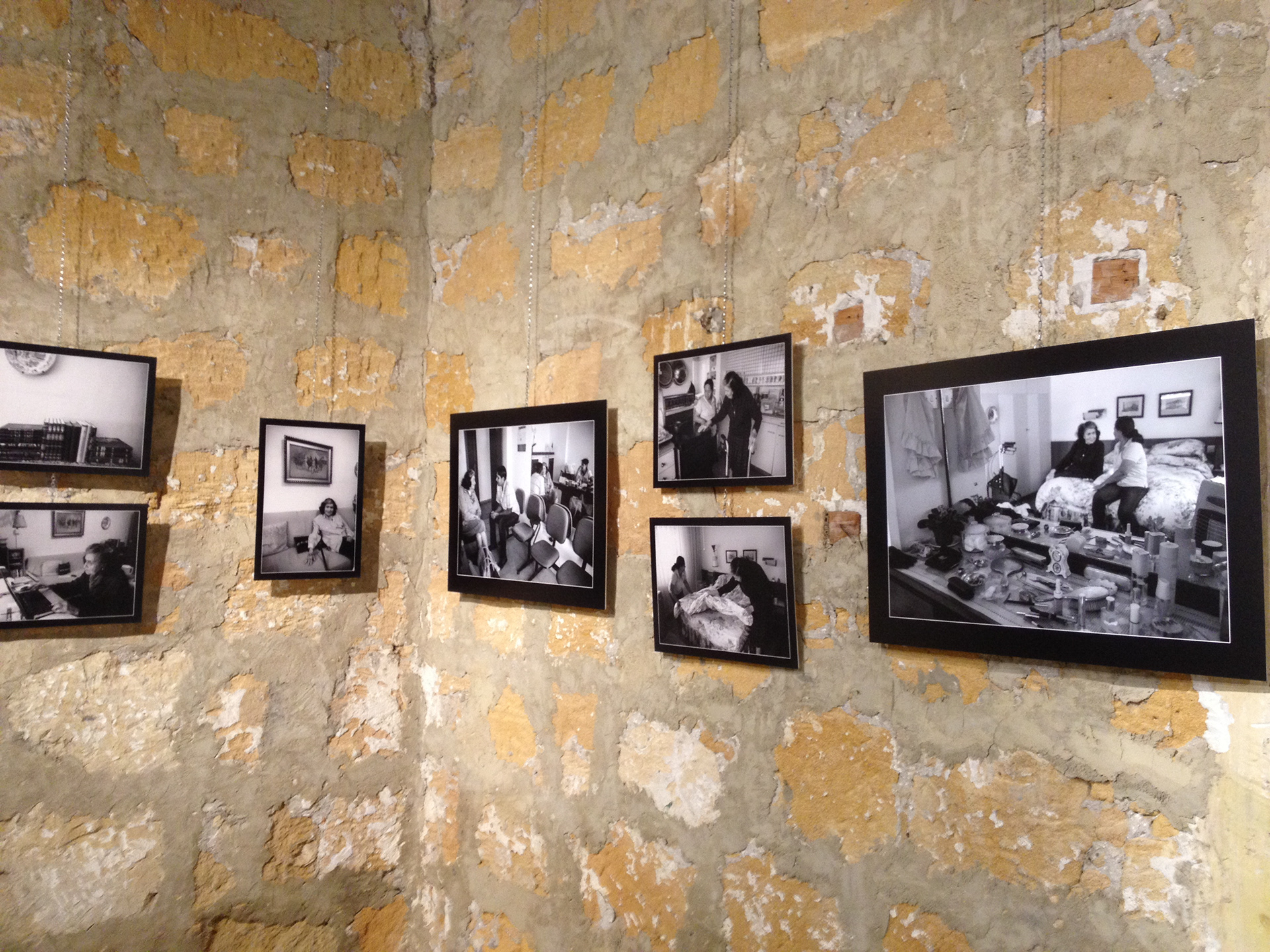
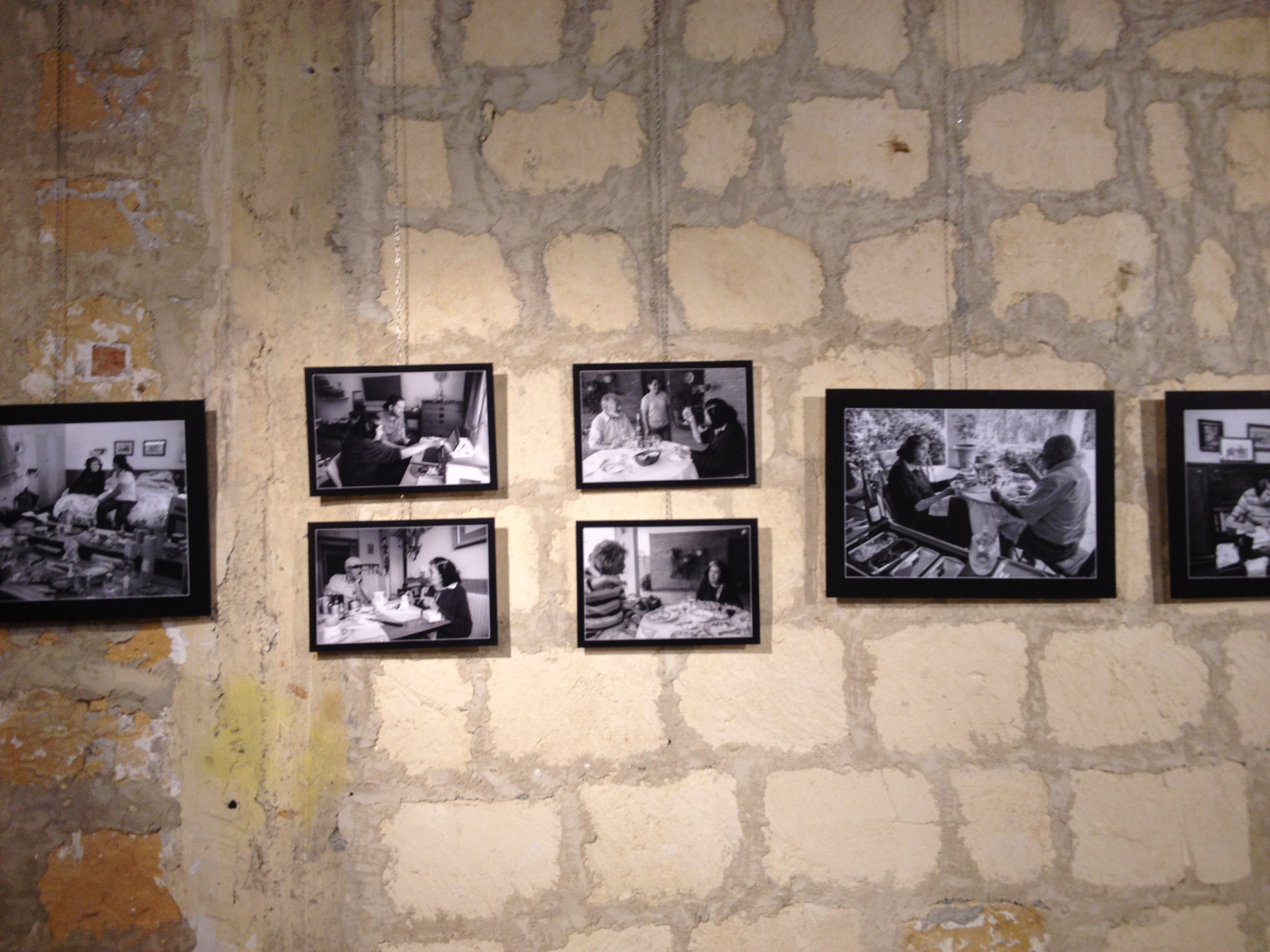
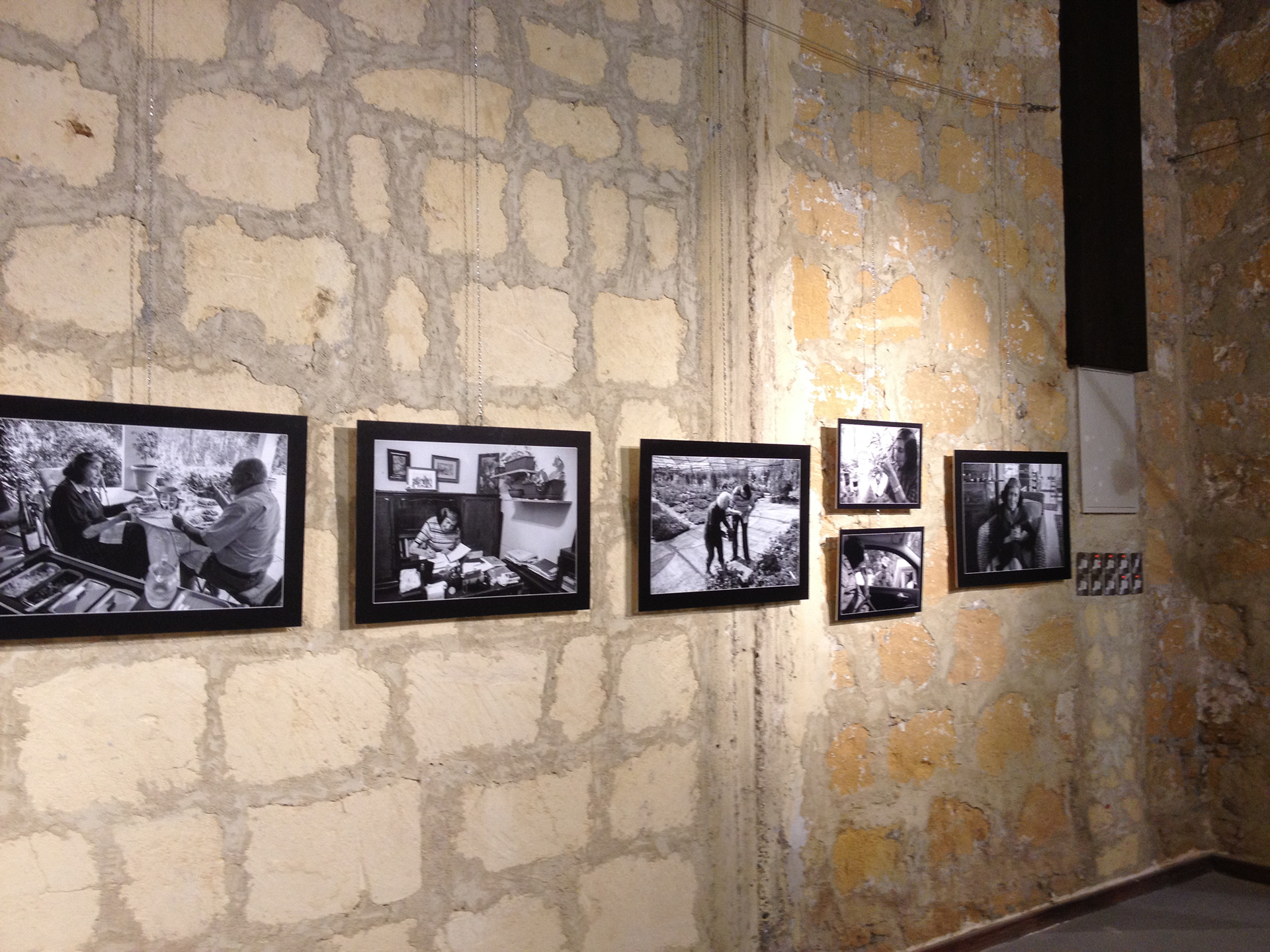
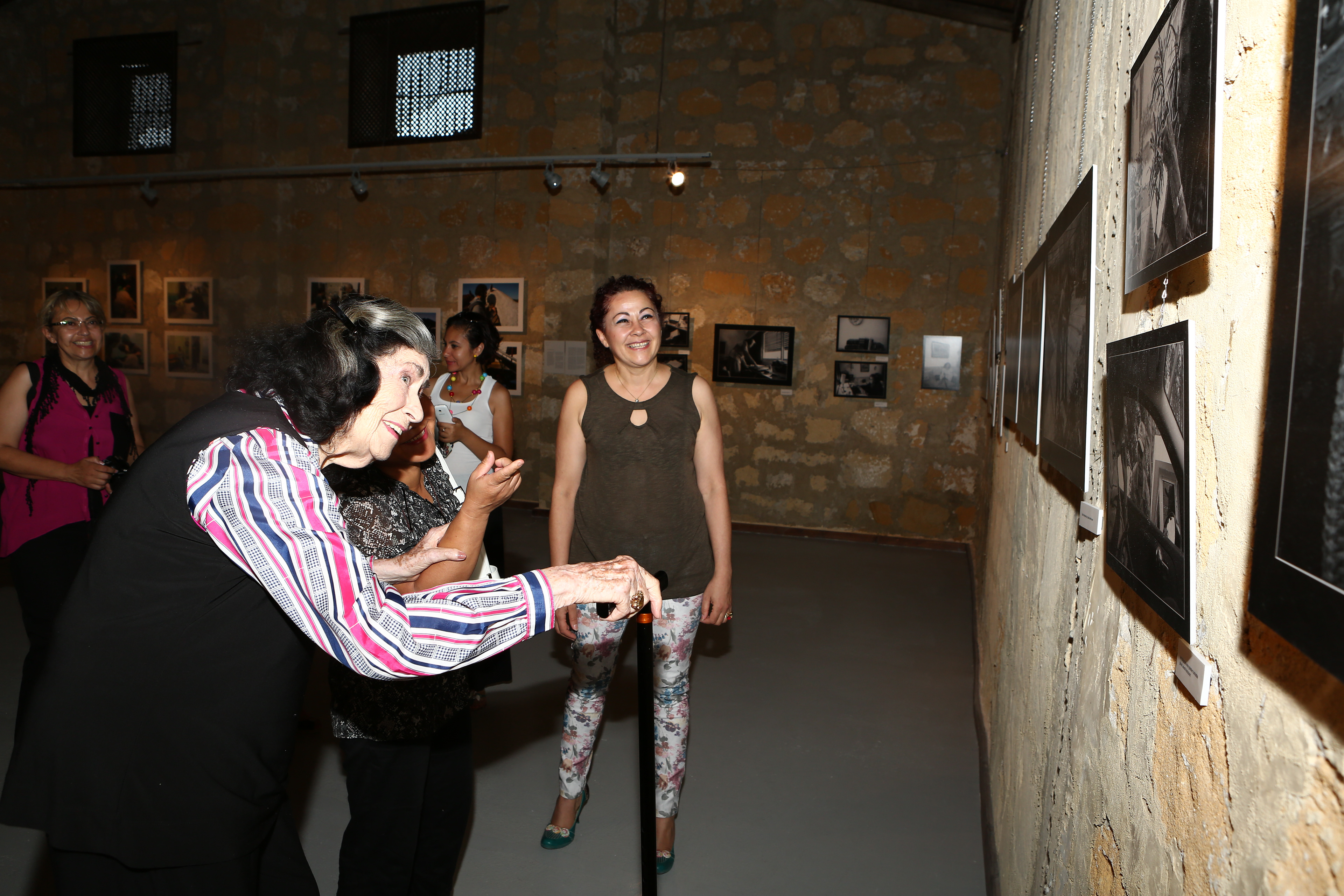
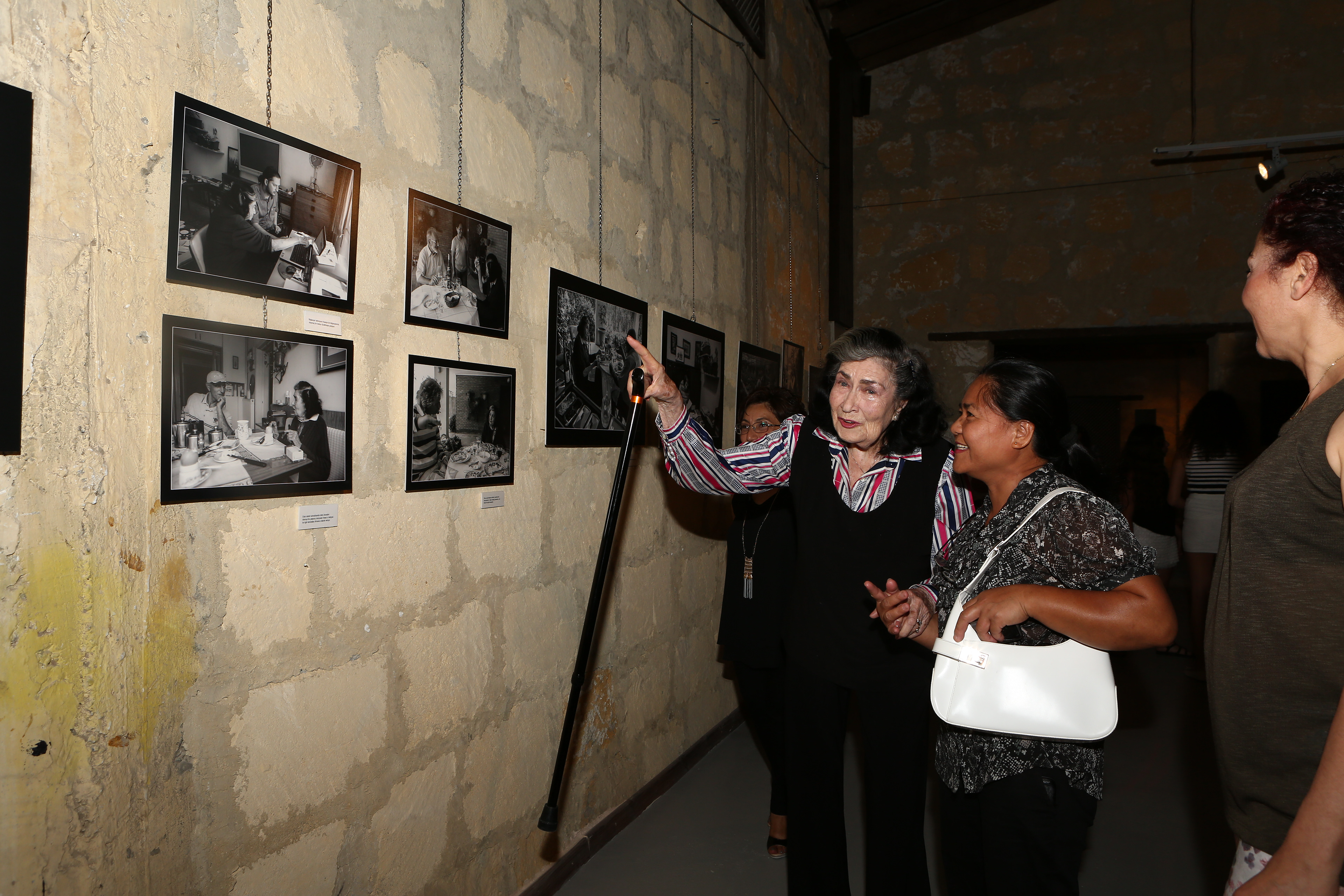
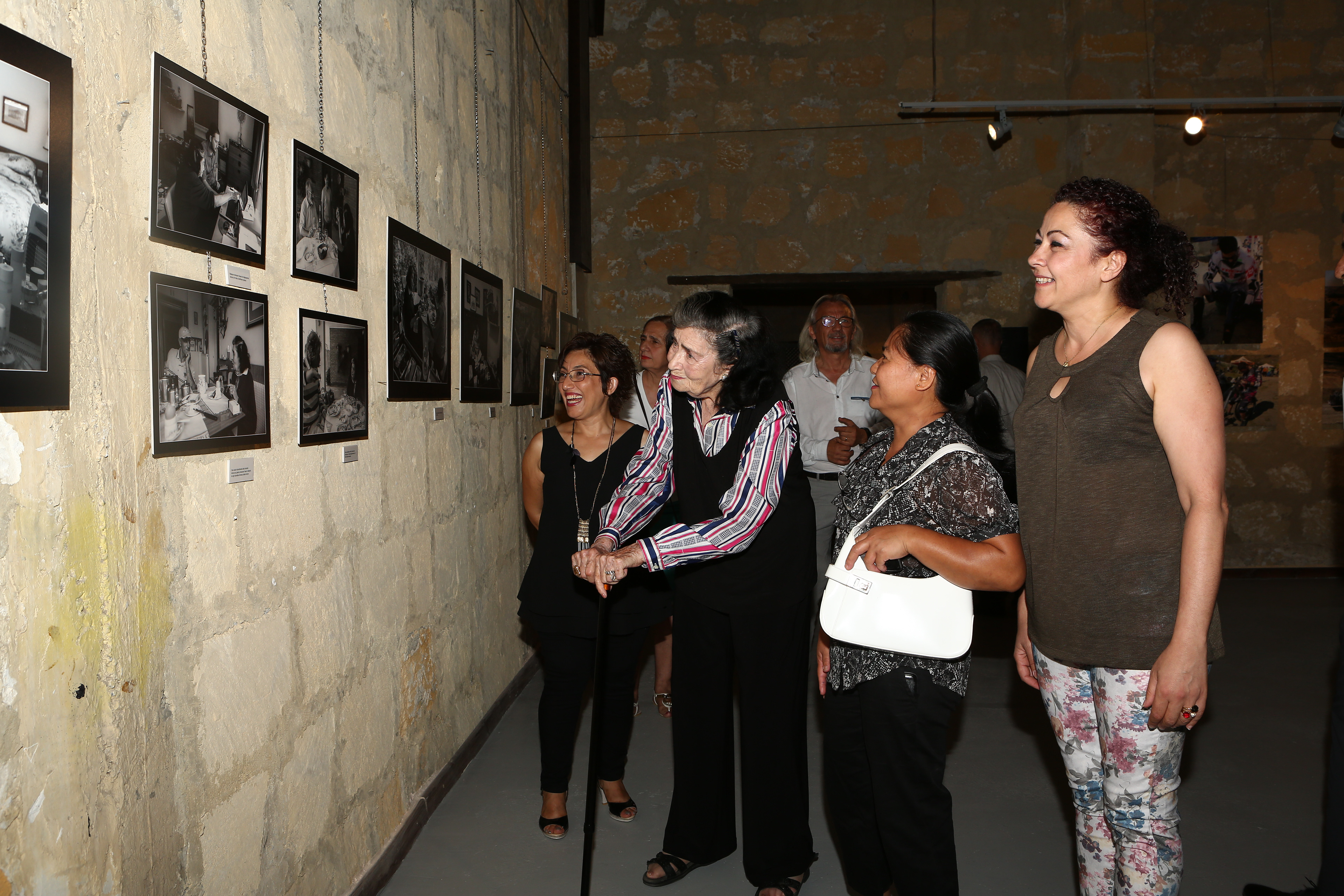
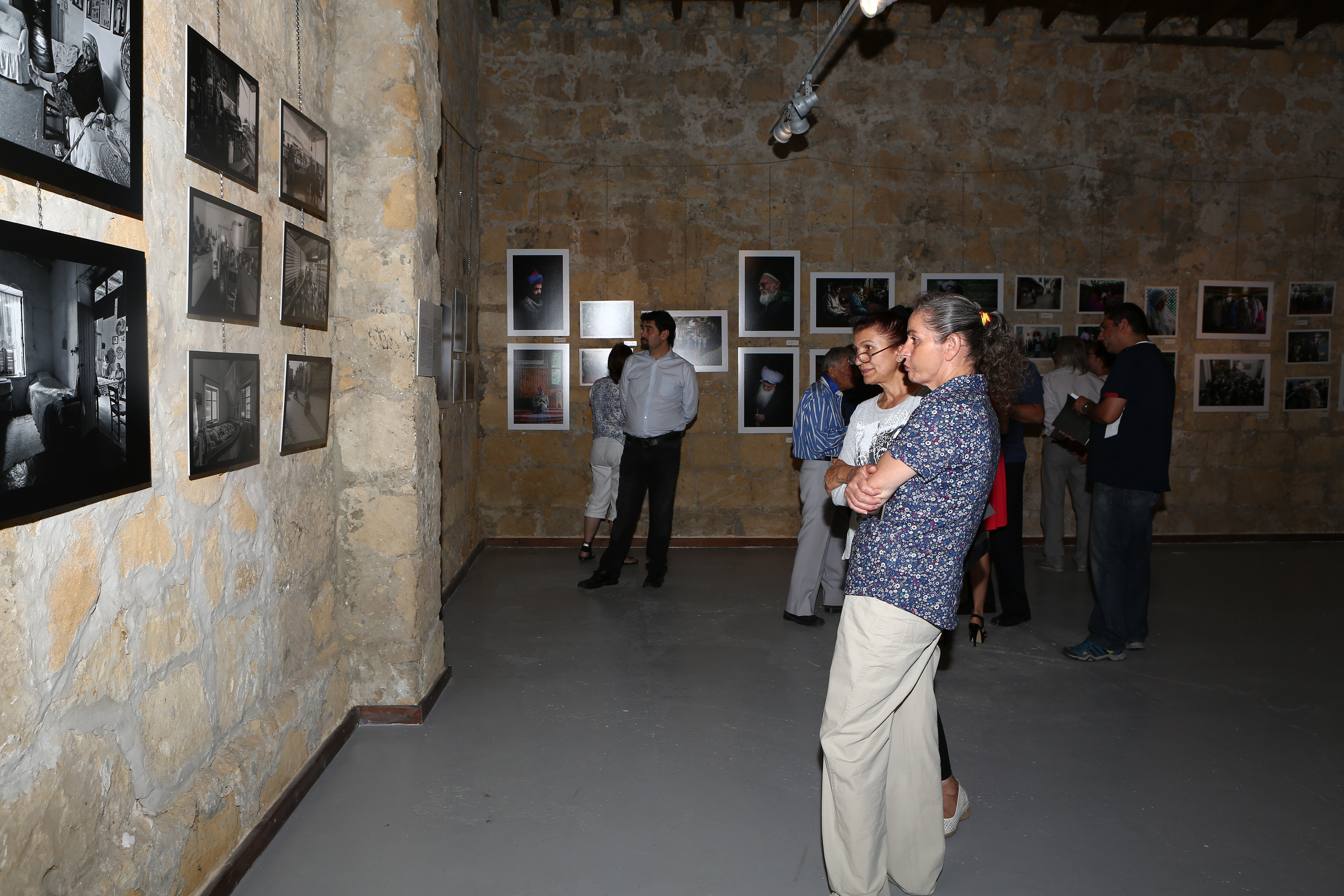
“Looking back at the age of 98, what I can truly say is that I have been more fortunate than unfortunate, and more happy than unhappy. Although I share many common values and experiences with those who grew up in Europe between the two World Wars, unlike many other Jews, my sister, my parents and I managed to survive. My grandparents, uncles and aunts who lived in Budapest, along with members of four generations of our family, did not survive. Today, looking back, I consider myself fortunate to have my children, my grandchildren, and my great-grandchildren.” Elsie Slonim, an American-born Jewish woman, begins her book—recounting her 98-year life spanning America, Austria, Cyprus and Israel—with these words...
Elsie was born during the years of the First World War. As a Jewish woman, she experienced the suffering of the Second World War and lost many of her relatives. After settling in Cyprus in 1939, she was exiled to Israel during the war. She tried to build a life there, but eventually returned to Cyprus.
After the war of 1974, Elsie refused to leave her home, which remained within the boundaries of the Buffer Zone, a place where time seems to have stood still. She continues to live there today. As the only civilian resident of the Buffer Zone, visiting her requires special permission from the Ministry of Foreign Affairs and access through a military-controlled area.
In 2006, Elsie lost her husband, and within the following five years, she also lost both of her children. Despite all that she had endured, she continued to hold on to life. Josy, who helps her with the housework, and Yunus, who tends her garden once a week, became her greatest sources of support in maintaining the order of her home.
In 2012, her first book, Lemons from Paradise, in which she recounted her life story, was published. At the time, she was continuing to work on her second book, which was expected to be published in 2015.
I first came to know Elsie’s story through a friend. When I met her, the first thing that struck me was how dignified and graceful she was. She invited me to lunch at her home together with the editor of her new book. When I entered through the garden gate, she was sitting in a chair in the shade, reading. Because she was hard of hearing, she had not noticed my arrival. I called out to her two or three times before she finally looked up. We introduced ourselves, and she pointed to a chair for me to sit down.
“First, you tell me about yourself,” she said, “and then I will tell you about myself.”
After I introduced myself, it was Elsie’s turn.
As she became deeply absorbed in telling me her story, she suddenly stopped and asked, “Did you hear that?” It was the sound of a bird. She had not heard me calling her when I arrived, yet she had heard the beautiful song of the bird.
Despite all the hardships she had experienced, Elsie still knew how to notice the beauty in life. She cared deeply for all living beings. For her, there was no difference between a hungry child and a hungry cat. Hunger, she believed, was something profoundly painful, and someone who had never experienced hunger could never truly understand the value of a piece of bread.
I had expected to encounter a strong, hardened woman—someone who had survived so many difficulties by struggling against them and refusing to be defeated. Yet when she closed her eyes and listened to the bird as though she were listening to a piece of music, and softly asked me, “Can you hear it?”, I saw another side of her: deeply emotional, sensitive, and tender.
At that moment, I felt a connection with her. That bond has continued to grow stronger from the day I met her until today.
Elsie has so many stories to tell, so many lives contained within one lifetime. She is like a century-old plane tree—one that has endured wind, storms, floods, and tempests, yet has remained standing, upright and resilient.