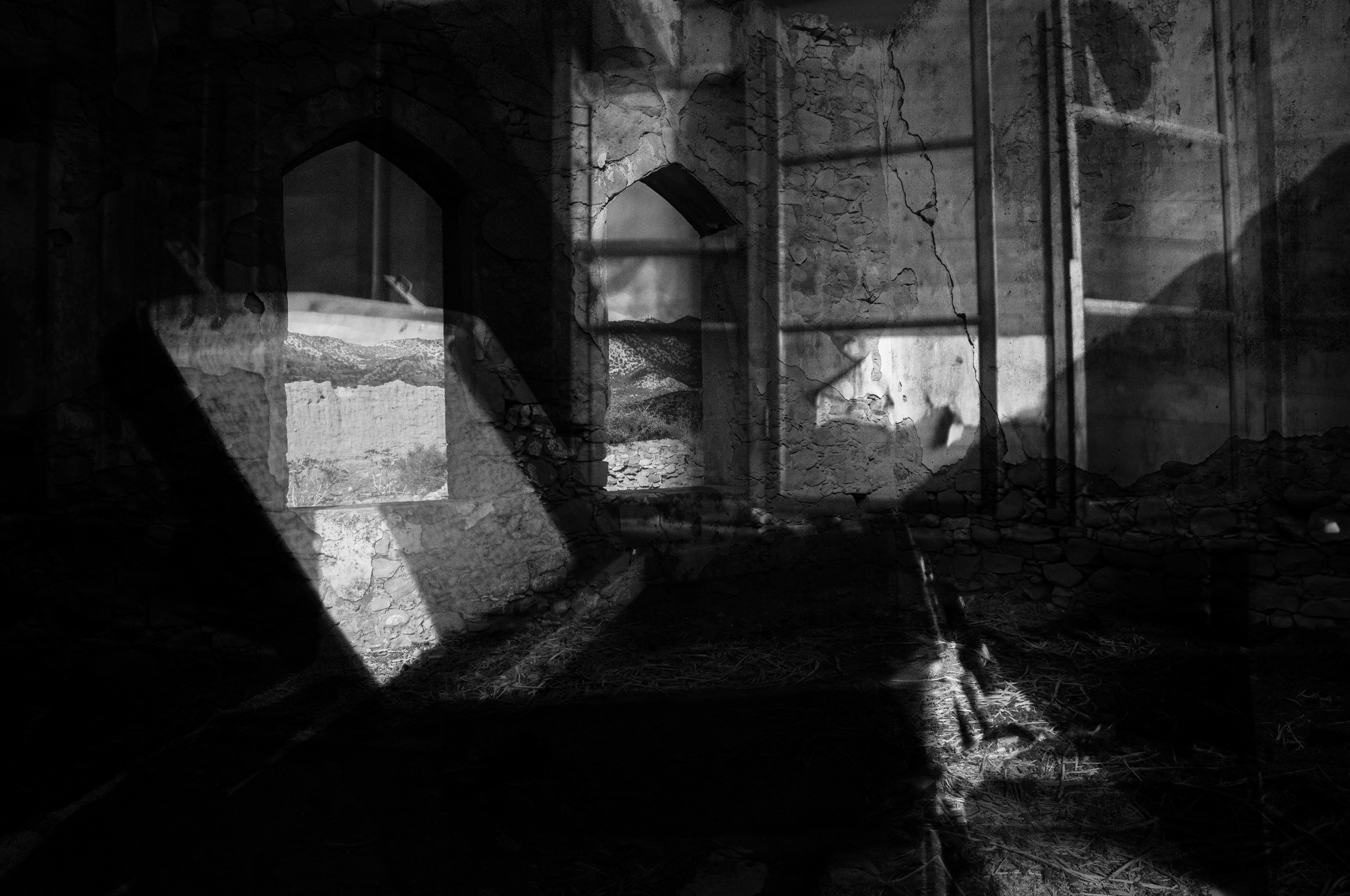
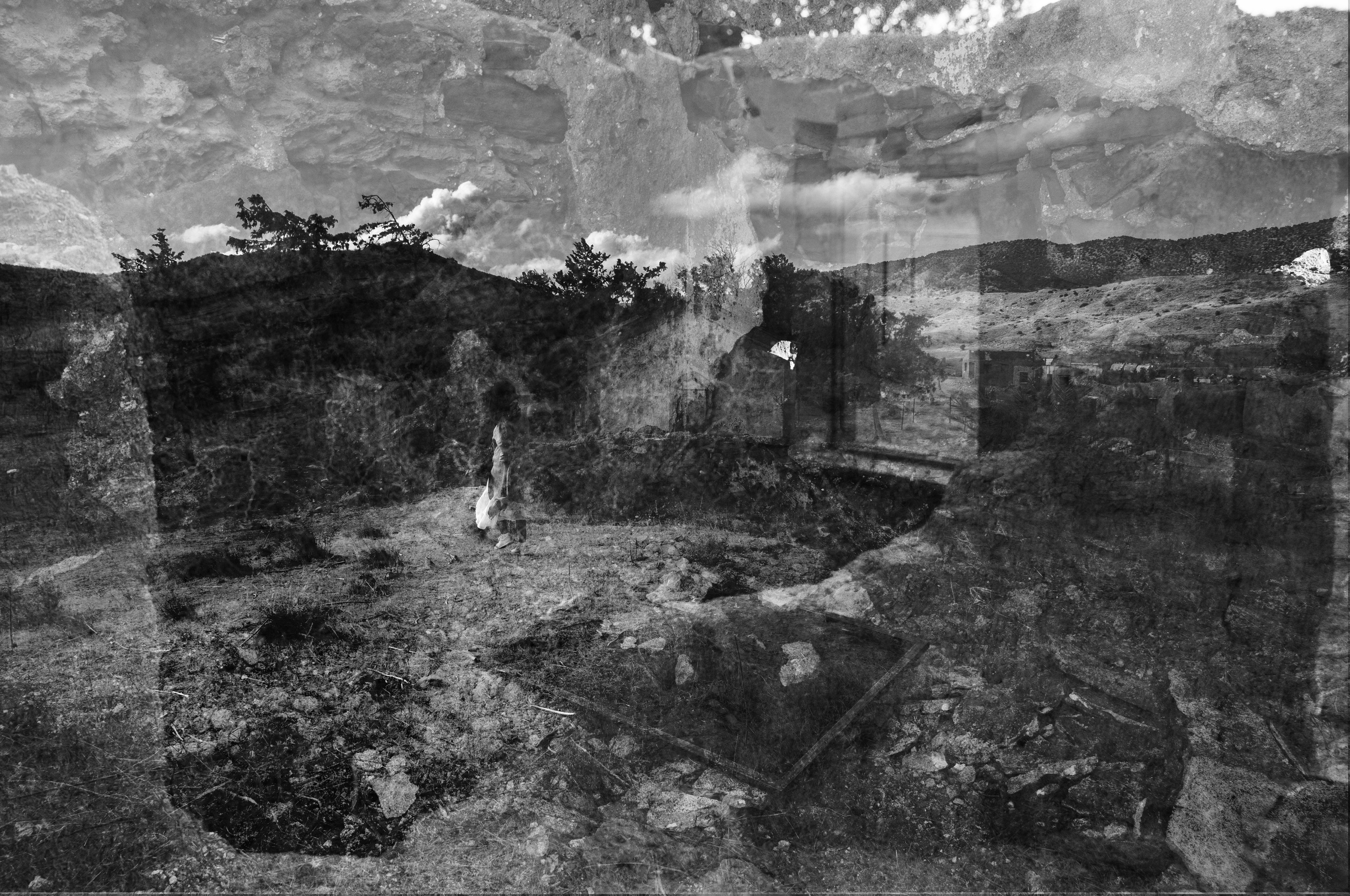
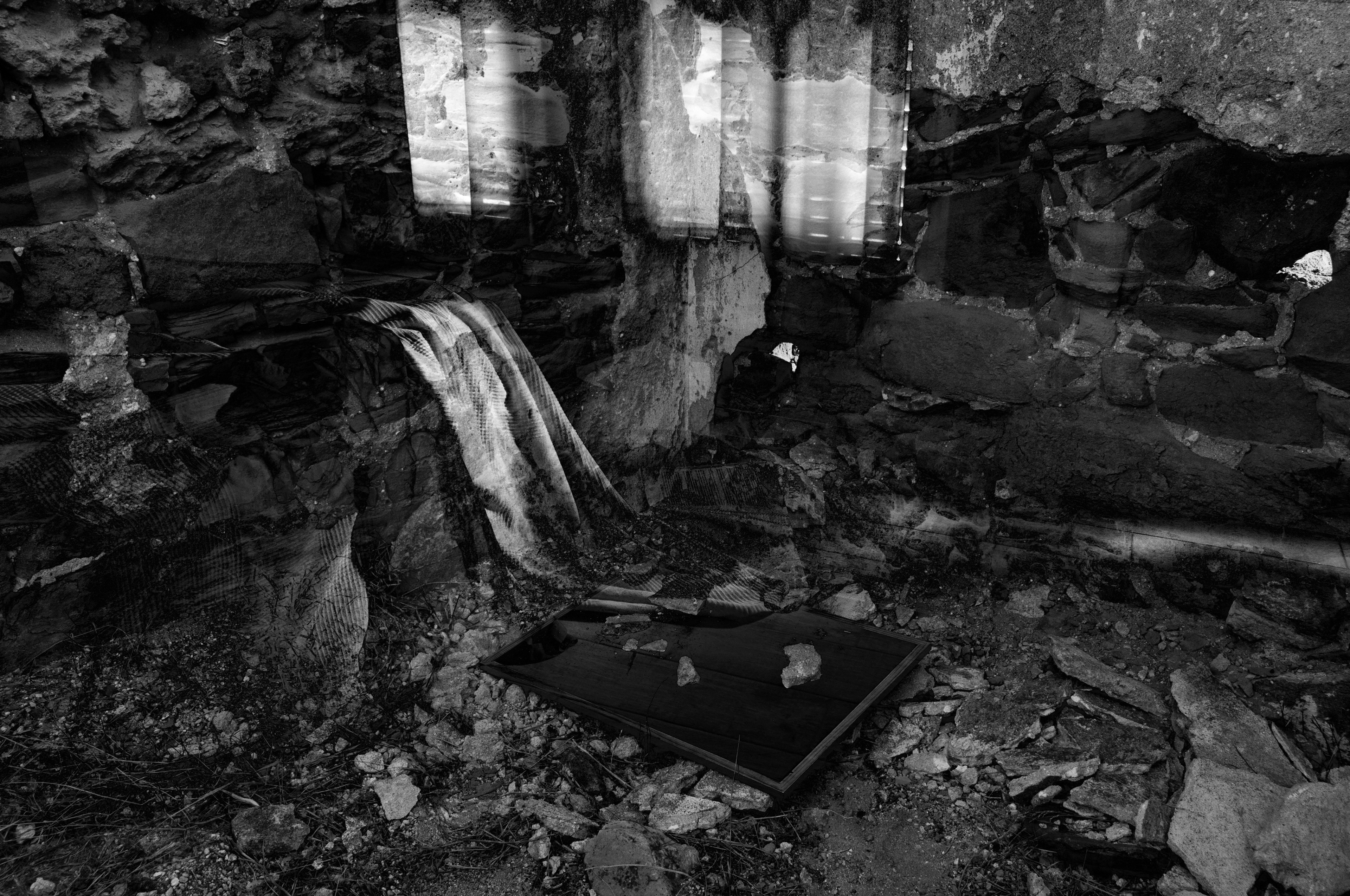
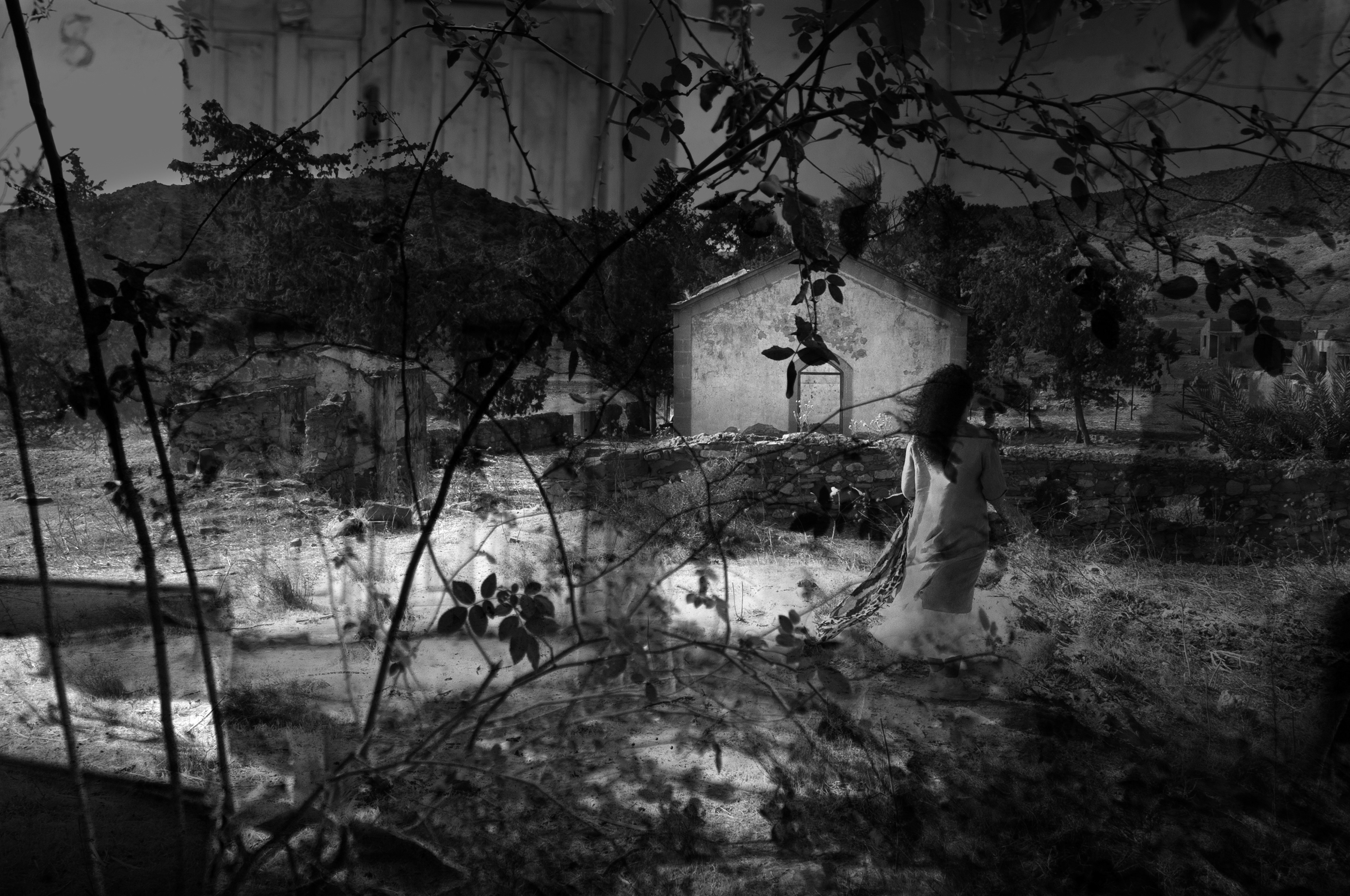
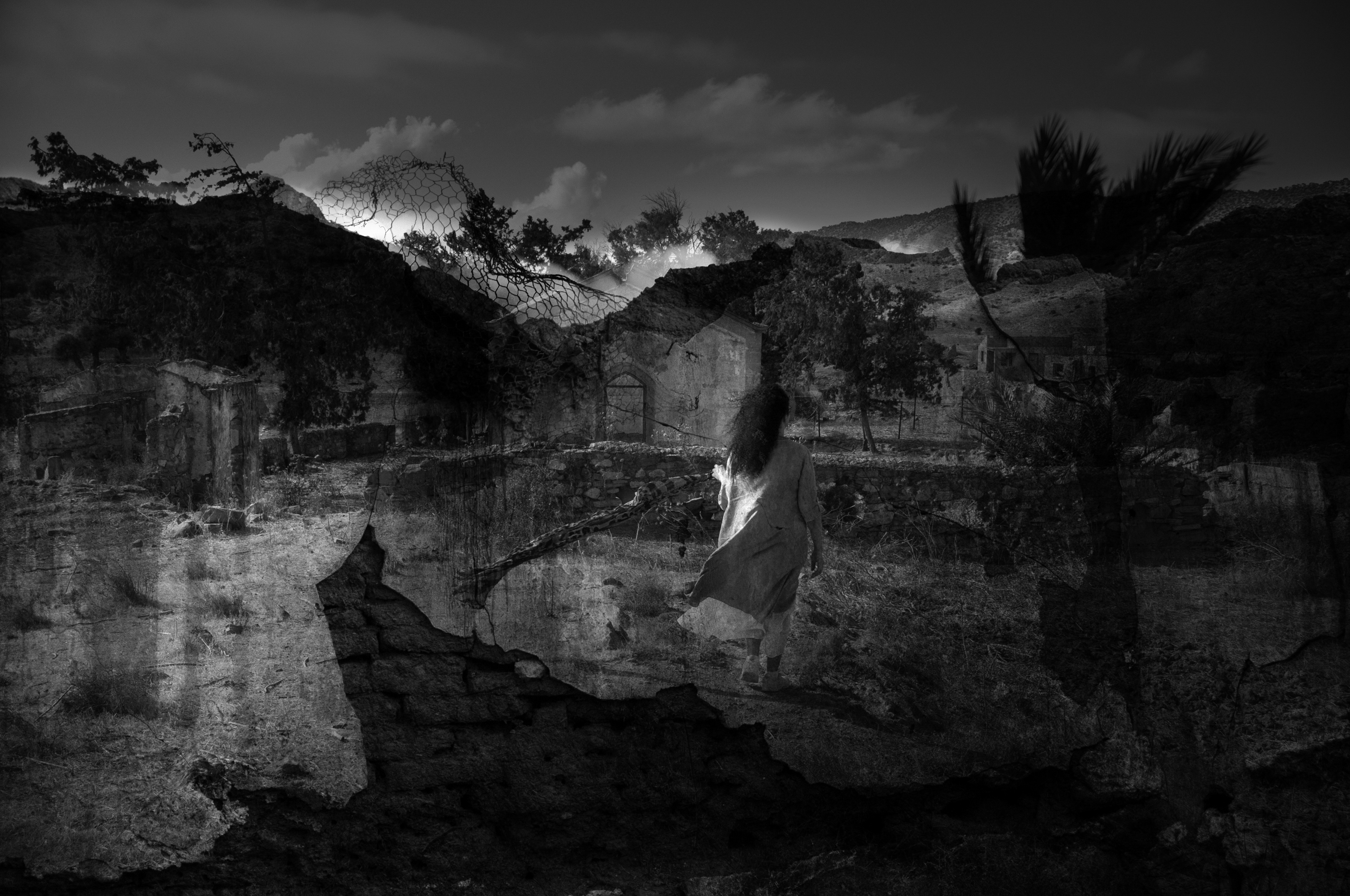
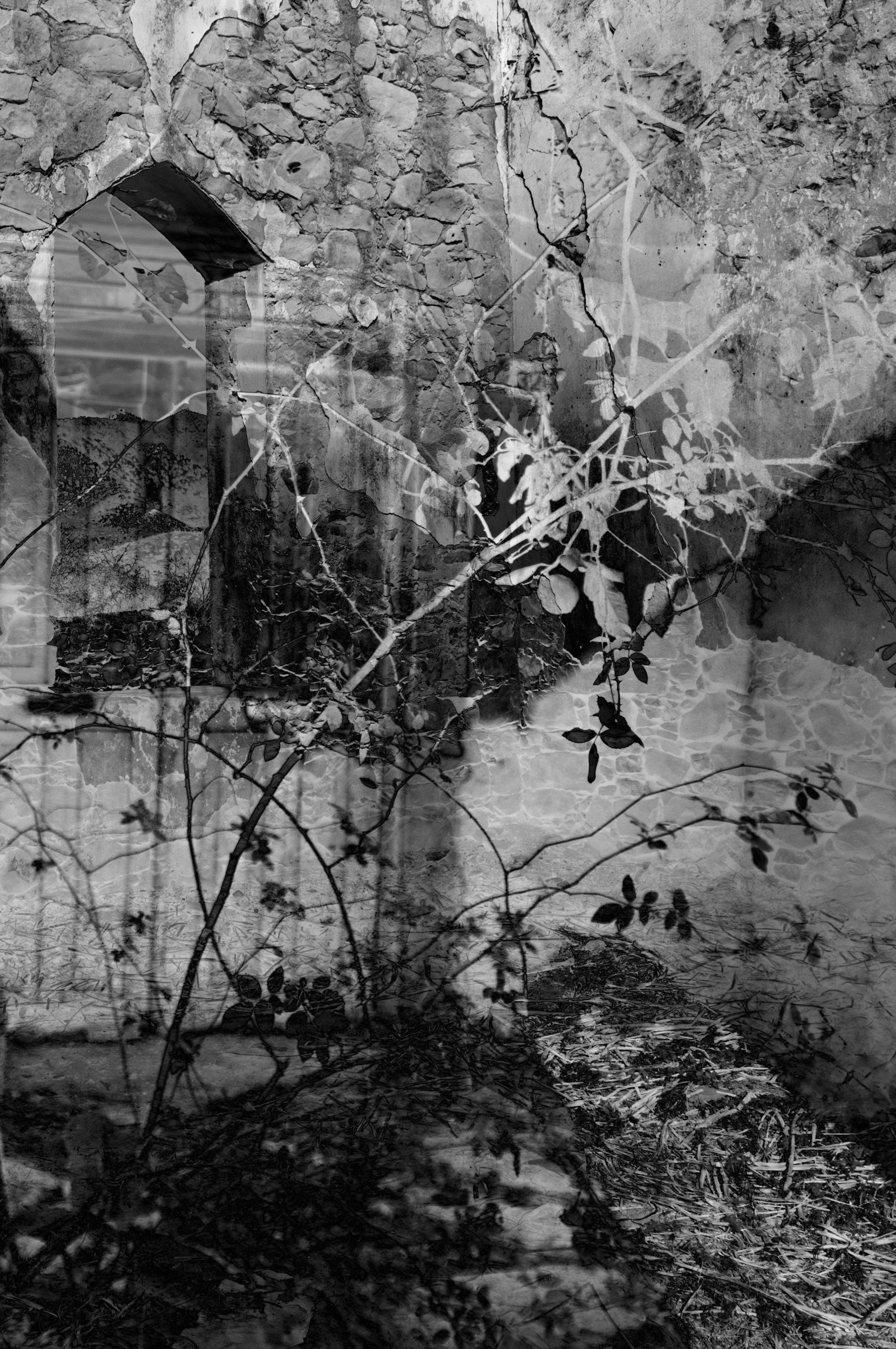
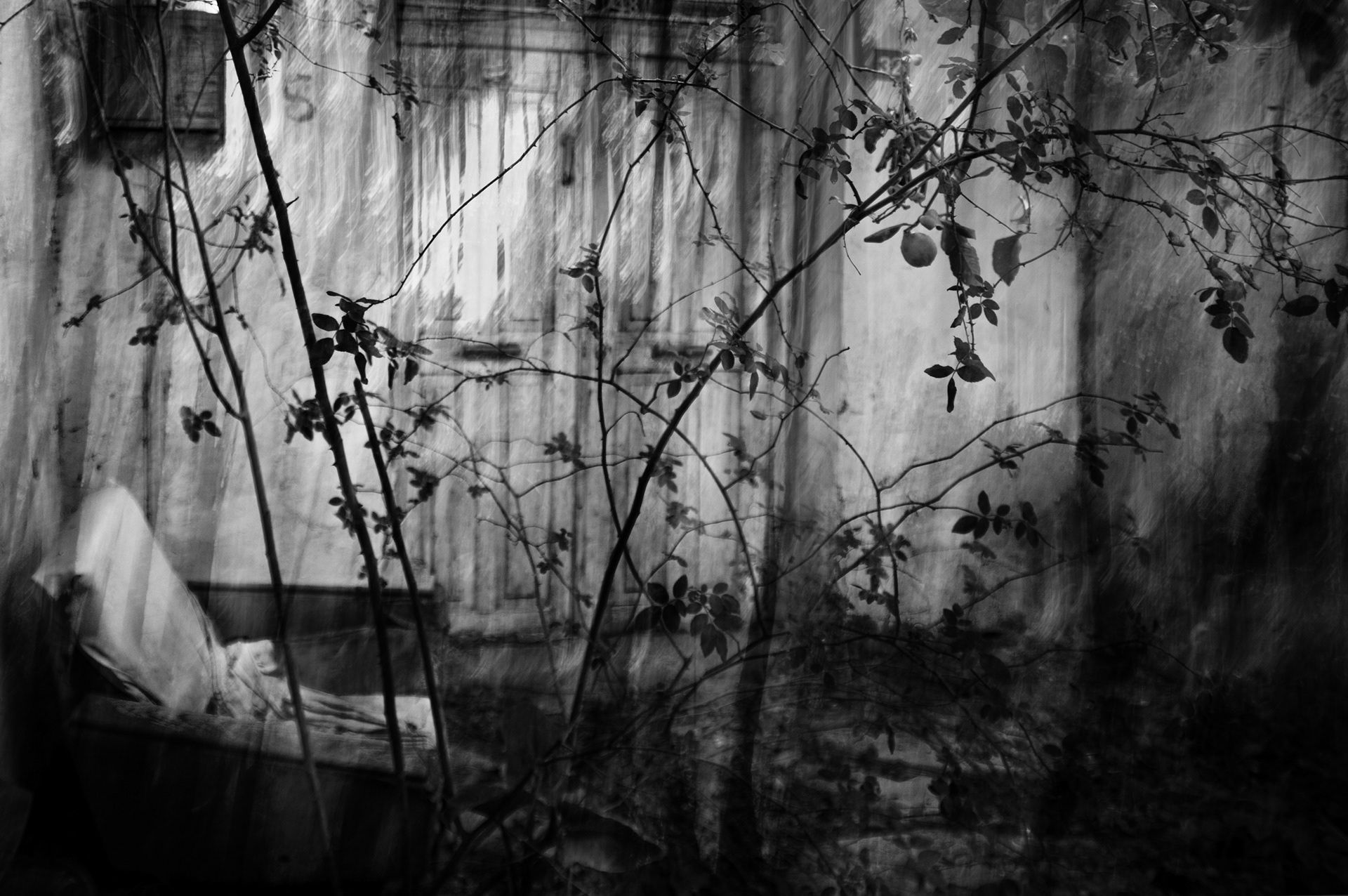
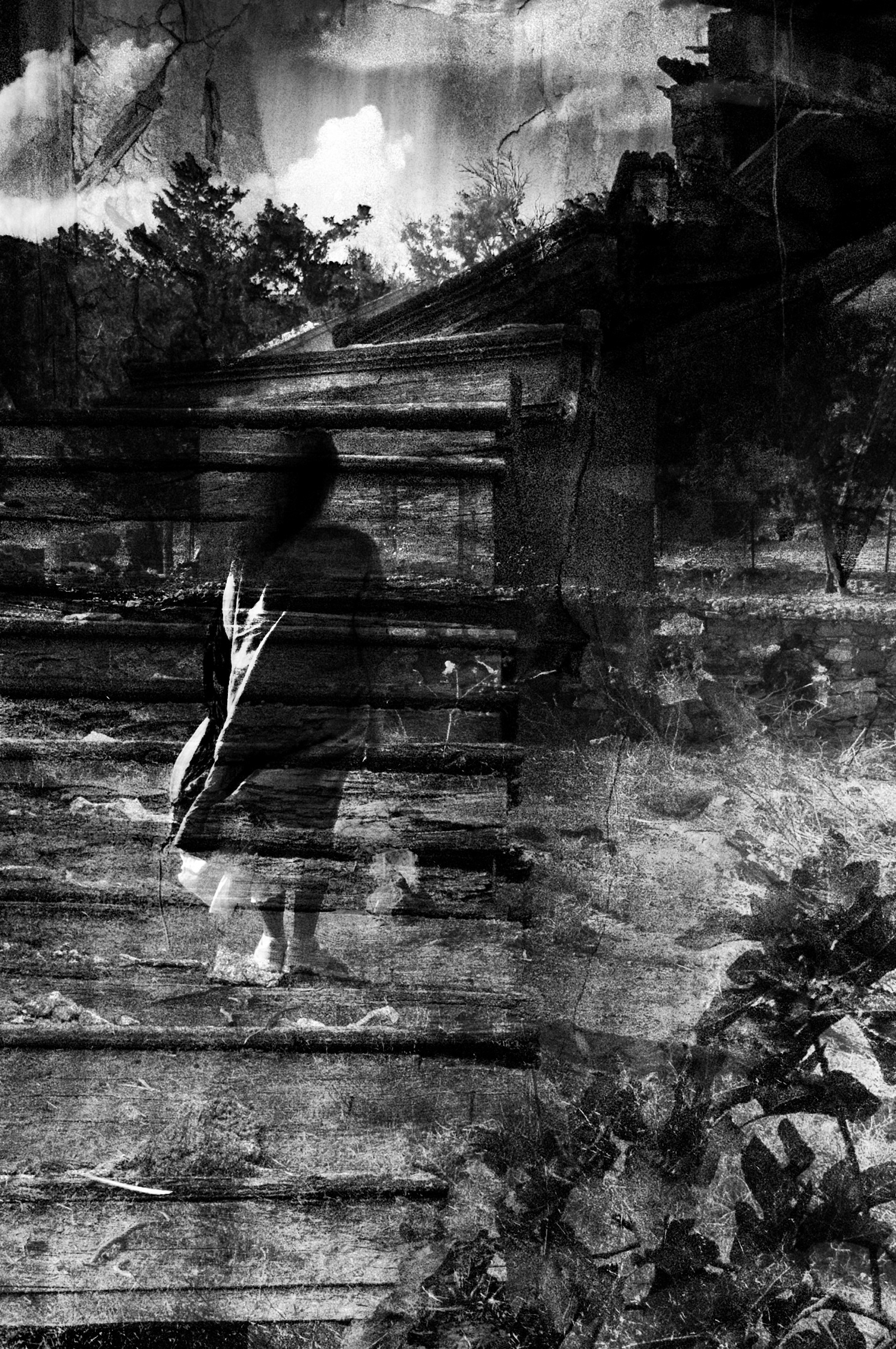
War and displacement leave traces that often persist long after the events themselves have ended. When experienced in childhood, these traces can become deeply embedded in memory, shaping not only how the past is remembered but also how the present is perceived.
This work emerges from my own childhood experience of war and forced displacement. A place once associated with summer holidays, familiarity, and a sense of belonging suddenly became physically inaccessible. Unable to return to it, I continued to revisit that place through memory, reconstructing it again and again through fragmented images, emotions, and sensations. Over time, these recurring acts of remembering became part of the way I understood both my personal history and the world around me.
The project explores photography as a means of approaching these internal landscapes of memory. Rather than attempting to reconstruct the past as an objective or complete historical reality, I use photography to question the images and emotions that have remained engraved in my memory and have continued to influence me over the years.
The photographs therefore occupy a space between past and present, memory and perception, lived experience and imagination. They are not intended as literal representations of what happened, but as visual interpretations of how those experiences continue to exist within me today.
Through this work, I attempt to give visible form to memories that are otherwise intangible: fragments of places, sensations, absences, and emotions shaped by war, migration, and the impossibility of return. Photography becomes both a method of remembering and a means of confronting the distance between what was experienced then and what can be recalled now.
Ultimately, the project reflects on the way childhood memories of conflict and displacement can endure across time, continually reshaping one's relationship with place, belonging, identity, and the present.